Paris Pride returns after its heatwave postponement
Tens of thousands marched from Place d'Italie to Bastille on 3 October, three months after extreme heat forced the June event to move.
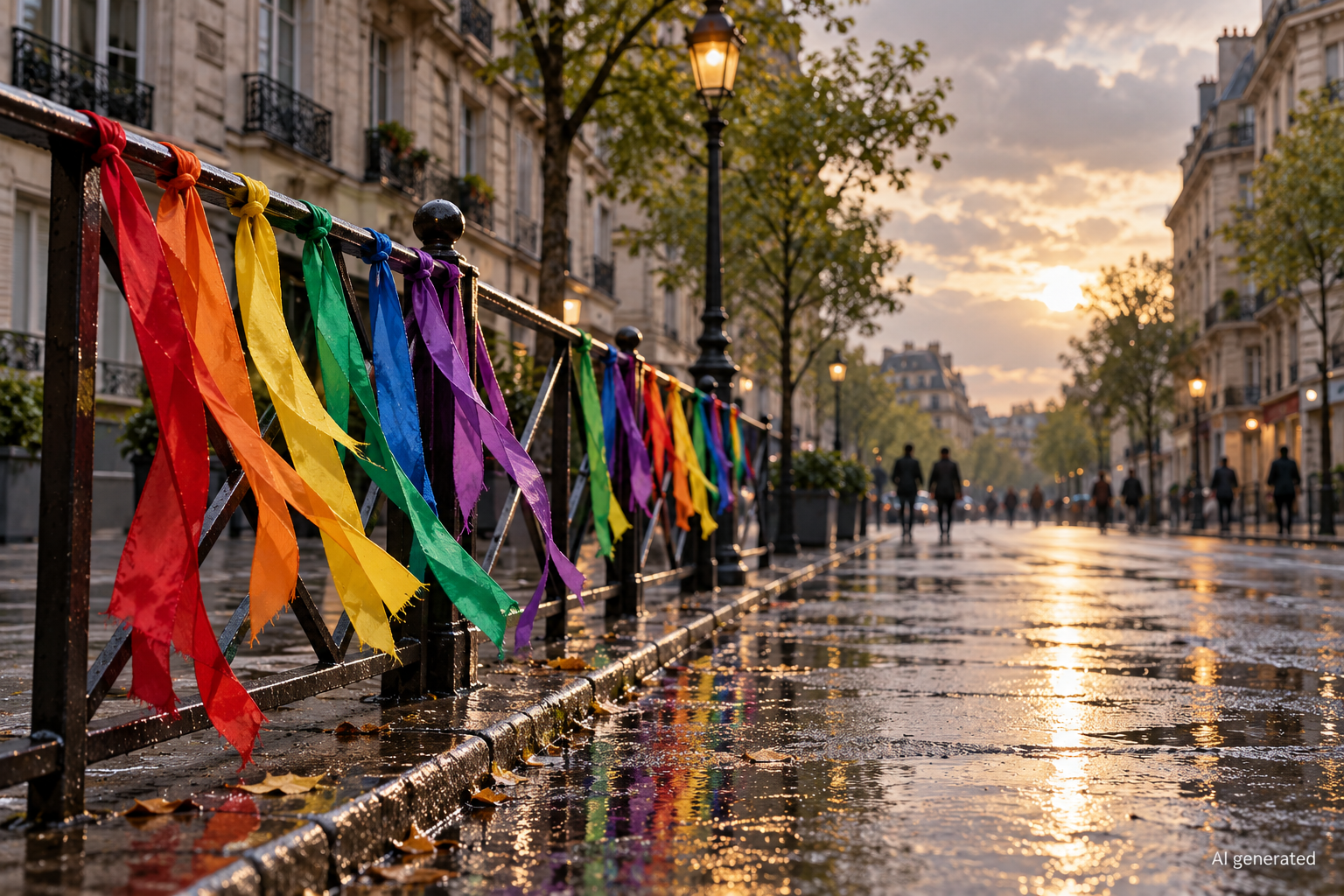
Paris Pride finally returned to the capital on Saturday 3 October. Tens of thousands of people joined the march, according to reporting from Euronews, following a route from Place d'Italie to Place de la Bastille. The event had originally been planned for late June before extreme heat forced a postponement.
The new date changed the setting but not the organisers' purpose. Inter-LGBT presented the march as both a public celebration and a demonstration for equal rights. Speeches began at 12:30 and the procession started at 13:00, according to the official programme.
A march shaped by the political climate
Reporting after the march described concern about discrimination, intimidation and the political climate ahead of France's next national election. Those concerns were not only rhetorical. On 23 September, the City of Paris said it had filed a complaint over racist, homophobic, transphobic and Islamophobic comments posted beneath a city Facebook publication about the event.
The October march also carried the memory of an unusual summer disruption. Police had ordered the June gathering to be cancelled or moved because an exceptional heatwave was placing pressure on emergency services and hospitals. Organisers chose to reschedule rather than abandon the 2026 edition.
What can be said about attendance
Saturday's attendance showed that a delay of more than three months did not remove the event's ability to mobilise. The official route crossed several central districts before reaching Bastille, where the programme continued. Crowd estimates should be read as approximate, since the consulted reporting used the broad description 'tens of thousands' rather than a single verified count.
The event also illustrates how Pride in Paris combines several functions. It is a festive gathering, a route through public space and a platform for advocacy. That mixture can make coverage focus on colour and crowds, but the organisers' material places legal equality and protection from violence at the centre of the march.
The clearest outcome is that the postponed 2026 edition took place and restored a major annual gathering to the calendar. The wider disputes highlighted by participants, including protection from hate and the future of LGBTQIA+ rights, remain political questions beyond one afternoon.
Sources & context
Reporting and reference material used for this article. Context sources do not independently confirm every news claim.
- Inter-LGBT, Marche des Fiertés ↗Organiser source: event date, starting time and the march's stated advocacy purpose.
- Euronews ↗Reporting, 3 October: attendance description and participants' concerns.
- City of Paris press office ↗Primary context, updated 23 September: city complaint concerning hateful comments about the march.
- Paris je t'aime tourist office ↗Official visitor information: October date, route and the June heatwave postponement.
Written for WHIF from the linked material. This article does not claim on-the-ground reporting. Our editorial standards.