Thousands protest French police firearms bill
Marches in Paris and other cities challenge a proposed presumption that has already cleared the National Assembly.
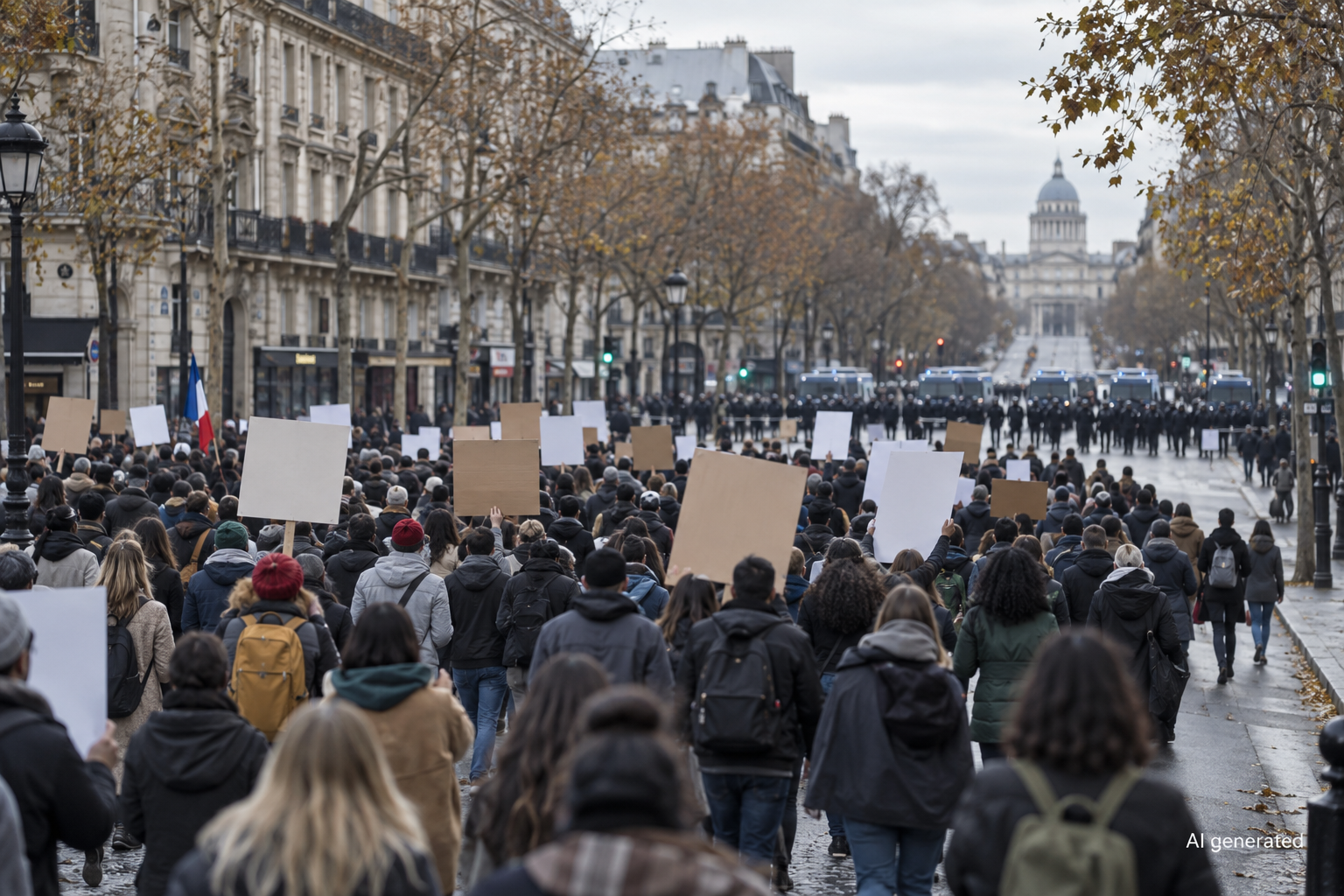
Thousands of people marched in Paris on Sunday, 20 September, against a bill that would create a presumption of lawful firearm use for police officers and gendarmes in specified circumstances. Le Monde reported that the Paris demonstration brought together unions, campaigners and relatives of people killed during police interventions. Protests also took place in other French cities.
The available reports do not provide one verified nationwide attendance figure. Le Progrès counted about 1,000 participants in Saint-Étienne and described the march there as part of the same national mobilisation. Keeping local estimates separate matters because figures from one city cannot be used as a total for the country.
A vote completed, but not the lawmaking process
The measure has passed the National Assembly but is not yet final law. Reuters reported that deputies approved it by 313 votes to 199 on 8 July. The Senate still has to examine the text, and the two chambers may not ultimately adopt identical wording.
Under the proposal described by the reporting, an officer who fires a weapon would benefit from a rebuttable presumption that the existing legal conditions were met, including absolute necessity and strict proportionality. That is not the same as automatic immunity. Contrary evidence could overturn the presumption, and a court would still assess the facts of an individual case.
Why the legal starting point is contested
Opponents argue that the change would shift the starting point of an investigation and make accountability harder for victims and families. Amnesty International France, which campaigns against the proposal, says existing law already allows officers to use firearms in narrowly defined conditions. Its analysis is an advocacy position, not a judicial ruling on the bill.
Supporters say officers need clearer procedural protection when decisions are made in dangerous, fast-moving situations. Reuters reported that the government and right-leaning lawmakers presented the measure as support for police, while critics used much stronger language about its possible effects. Those competing descriptions should not be mistaken for findings about how courts would apply the text.
The next decisive stages are the Senate debate, any amendments and the final text, if one is adopted. Readers should also watch whether legal experts identify changes to evidentiary practice once the precise wording is settled. Sunday’s marches demonstrate political resistance, but they do not themselves determine the bill’s legal outcome.
Sources & context
Reporting and reference material used for this article. Context sources do not independently confirm every news claim.
- Le Monde ↗Current reporting on the Paris march and the coalition opposing the bill, published 20 September 2026
- Le Progrès ↗Independent local reporting on the Saint-Étienne protest and the rebuttable nature of the proposed presumption, published 20 September 2026
- Reuters ↗Reporting on the National Assembly vote, legislative status and arguments around the measure, published 8 July 2026
- Amnesty International France ↗Campaigning organisation’s legal and human-rights objections; advocacy context consulted for this edition
Written for WHIF from the linked material. This article does not claim on-the-ground reporting. Our editorial standards.