France's school protests enter a national day under the shadow of serious injuries
A 15-year-old lost a hand in Lens as the movement entered its third week, while official figures show thousands of arrests and rising injuries.
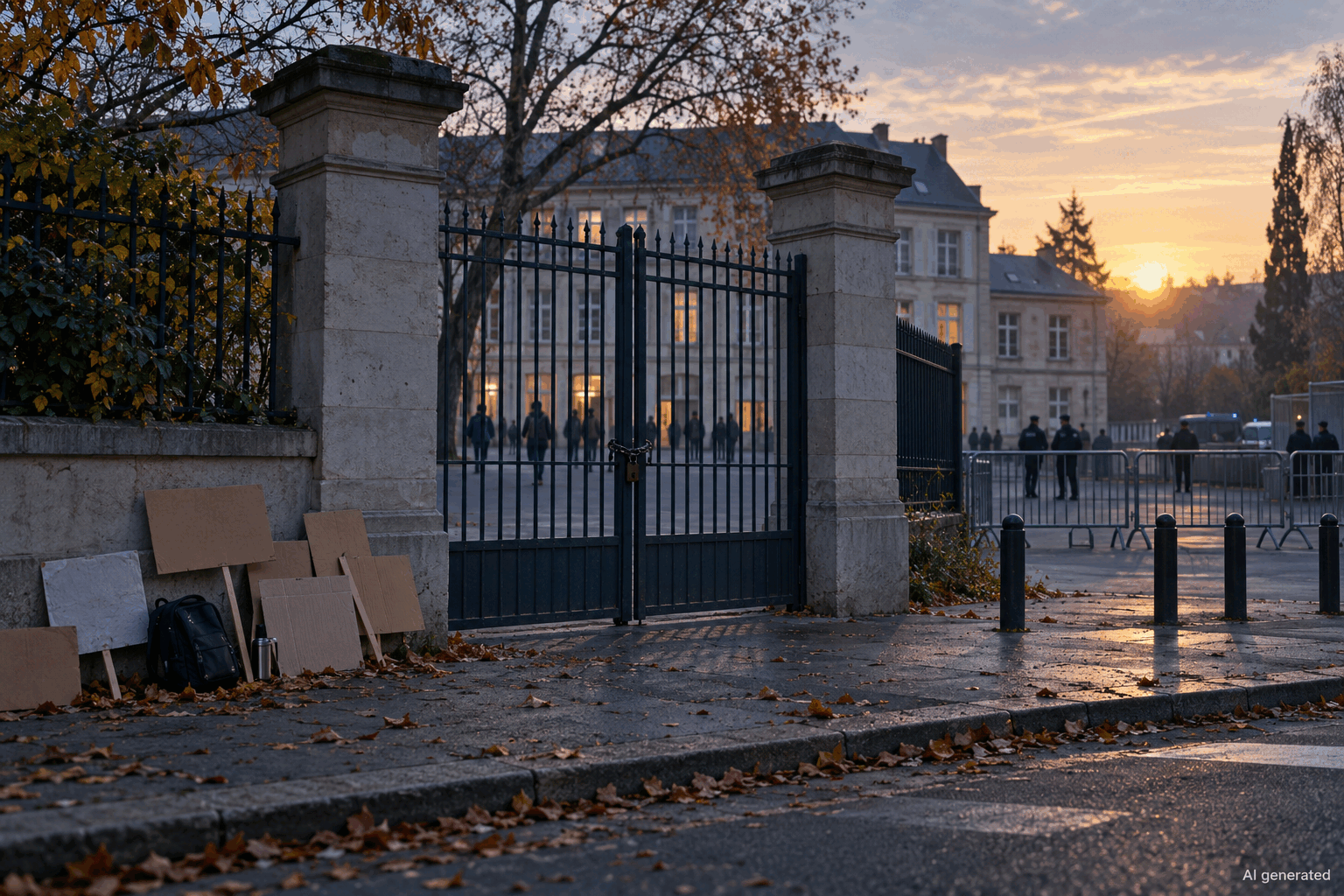
French high-school protests entered a nationally coordinated day on 6 October after a grave injury sharpened scrutiny of both street violence and policing. A 15-year-old pupil lost a hand and part of his forearm in Lens on Monday after a police dispersal grenade exploded, according to Reuters and local authorities cited by several outlets.
The exact sequence is still under investigation. Witness accounts say the teenager picked up the device, while officials described projectiles being thrown at police before riot officers intervened. WHIF is not assigning legal responsibility while inquiries are open. The confirmed fact is the severity of the injury and the renewed debate over weapons used around minors.
Injury figures require careful reading
Education Minister Édouard Geffray said on Monday evening that 190 pupils had been injured since the movement began. Le Monde reports that the most serious cases include an eye injury in Argenteuil and facial injuries in Saint-Ouen-l'Aumône, with investigations referred to the police inspectorate in several incidents.
The judicial response is also extensive. A Justice Ministry statement dated 5 October records 5,060 people placed in police custody since the violence began. Reuters reports that 87 per cent were minors and that more than 1,800 people were being prosecuted. Those totals concern alleged offences around the unrest, not the full number of peaceful participants.
Education demands and public order collide
The original demands remain focused on school conditions: teacher shortages, overcrowding, deteriorating buildings and pressure on pupils. The government argues that violent groups have attached themselves to the movement. Student organisations and opposition figures contest attempts to reduce the protests to public-order incidents.
Geffray has announced a platform for pupils to describe problems and an action plan for selected schools. At the same time, the government plans to accelerate legislation that could make young offenders or their parents financially responsible for damage. Neither measure by itself resolves the argument over staffing and resources.
This is a material development from WHIF's earlier coverage, not a restatement of the first blockades. The movement has entered a third week, a national mobilisation is under way, injury totals have risen and the Lens case has changed the public-order debate. The next test is whether talks on school conditions can proceed while investigations into violence and policing continue.
Sources & context
Reporting and reference material used for this article. Context sources do not independently confirm every news claim.
- Reuters ↗Reporting, 5 October: Lens injury, protest demands, arrest data and government response.
- French Ministry of Justice ↗Primary statement, 5 October: official judicial totals and damage context.
- Le Monde ↗Reporting, 6 October: pupil injury total, witness accounts and inspectorate investigations.
- The Guardian ↗Independent reporting, 5 October: national mobilisation and uncertainty surrounding the Lens incident.
Written for WHIF from the linked material. This article does not claim on-the-ground reporting. Our editorial standards.