Glucksmann wins the centre-left primary, but unity is still unfinished
A decisive first-round victory gives Raphaël Glucksmann the social-democratic nomination for 2027, without resolving the French left's wider split.
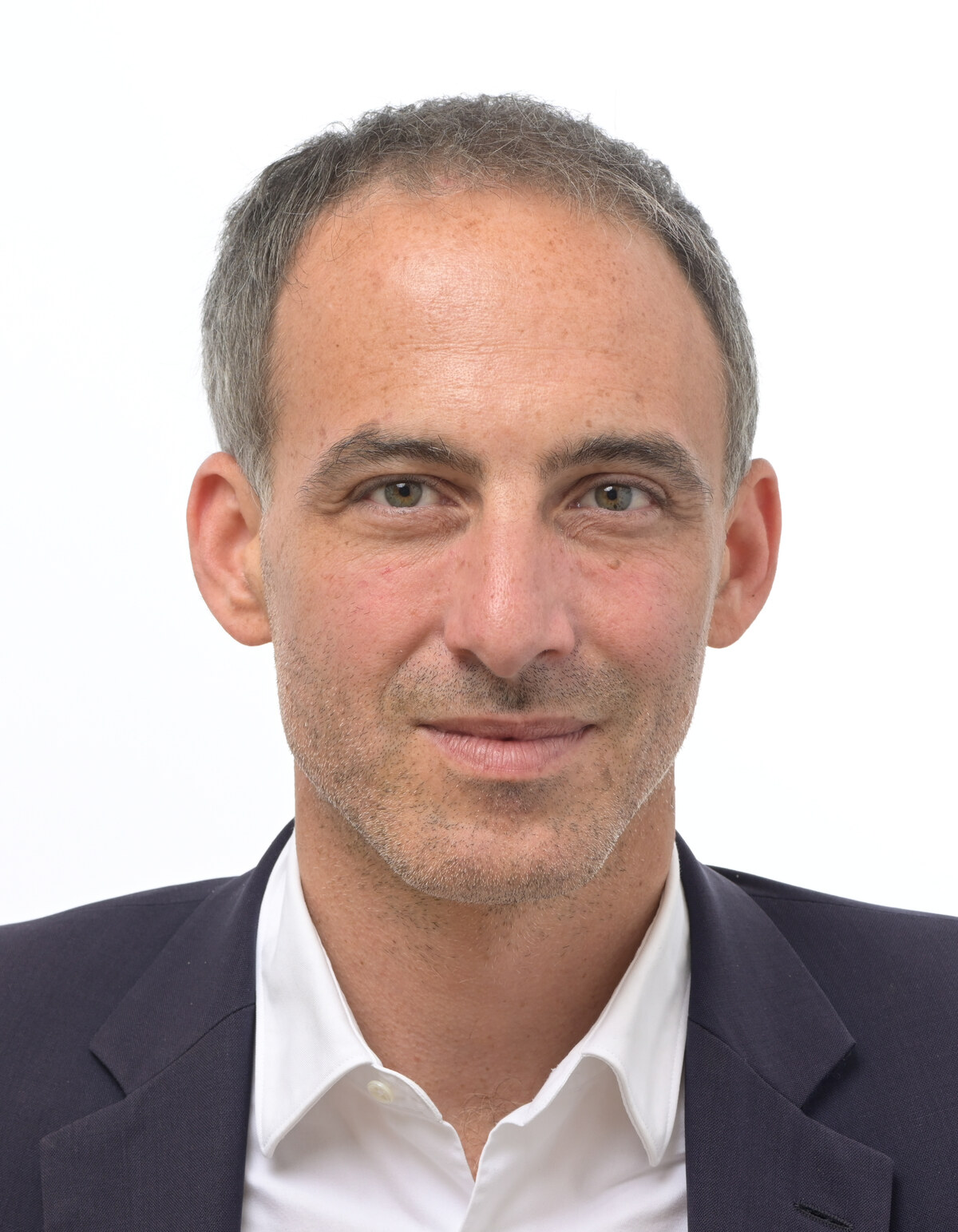
Raphaël Glucksmann won France's social-democratic presidential primary on 11 October with just over 66% of the vote, securing the nomination in a single round. Organisers reported about 120,000 participants, a clear result within the participating parties but a much smaller electorate than the millions who voted in the Socialist primary of 2011.
The result gives the 46-year-old member of the European Parliament a party network, campaign resources and a clearer claim to represent the moderate left in the 2027 presidential election. Reuters reported that Socialist leader Olivier Faure finished a distant second with about 14.5%, while former presidential candidate Ségolène Royal took roughly 7%.
A nomination for one part of a divided left
The primary did not include the whole left. Jean-Luc Mélenchon's La France Insoumise and the Communist Party stayed outside the process, and Glucksmann has repeatedly rejected an alliance with Mélenchon. His victory therefore settles who leads one bloc, not who speaks for every left-wing voter.
That distinction matters because France elects its president in two rounds. A candidate must first reach the runoff in a crowded field, then assemble a broader majority. Current polling discussed by Reuters and the Financial Times places Glucksmann well behind Marine Le Pen nationally, even after his nomination.
Policy differences now need a credible electoral coalition
His political offer combines a pro-European and pro-Ukraine foreign policy with higher pay, investment in public education and a more redistributive tax programme. It is designed to break with parts of Emmanuel Macron's economic record while also separating social democracy from Mélenchon's more confrontational strategy.
The vote itself also carried a warning. The Financial Times reported that the online ballot was extended after a cyberattack, while organisers said the integrity of the result was maintained. A primary can show mobilisation, but it does not test turnout across the electorate or guarantee that defeated factions will campaign with equal enthusiasm.
The next evidence will come from organisation and voter movement rather than victory speeches. Glucksmann must keep Socialist support, attract greens and other centre-left voters, and explain how his programme would be financed. The primary created a nominee. Turning that mandate into a route to the second round remains the harder task.
Sources & context
Reporting and reference material used for this article. Context sources do not independently confirm every news claim.
- Reuters ↗Independent reporting, 11 October: result, turnout, rivals and the political limits of the primary victory.
- Le Monde ↗Independent French reporting, 11 October: final percentage and organiser framing of the social-democratic contest.
- Financial Times ↗Independent reporting and context, 11 October: campaign platform, party resources, cyberattack and national polling position.
- Associated Press ↗Independent context, 11 October: the rival Mélenchon campaign and fragmentation of the French left.
Written for WHIF from the linked material. This article does not claim on-the-ground reporting. Our editorial standards.