Protected-bird case reaches an Orléans courtroom
Olivier Bouygues and estate employees face allegations involving the destruction of protected wildlife.
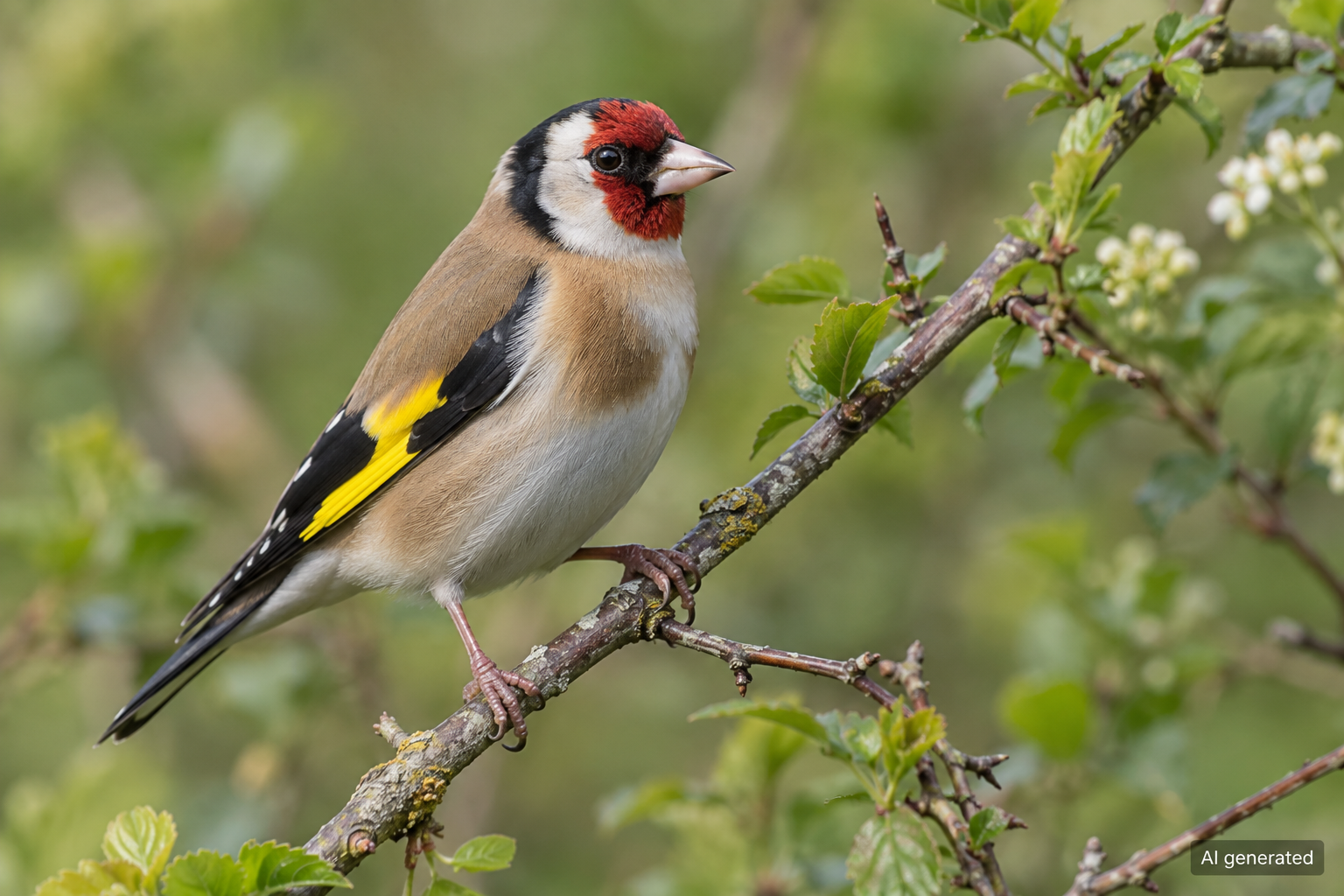
An Orléans trial has brought wildlife protection into the courtroom. Le Monde reports that Olivier Bouygues and estate employees face allegations concerning protected birds on a Sologne estate. Bouygues denies directing the acts and says he did not know about them.
A verdict is expected on 23 October. Until the court reaches its decision, the allegations must be described as allegations. The prominence of a defendant does not remove the need to distinguish the prosecution’s account, the defence response and findings made by judges.
The conservation framework
The European Commission’s explanation of the Birds Directive places the case in a wider conservation framework. The directive aims to protect naturally occurring wild birds and their habitats across the EU. Its approach covers the conditions that allow populations to survive, not simply individual animals.
The same official guidance distinguishes protection from the regulated hunting of certain species. That is why broad statements about birds or hunting can be misleading. Which species and which acts are involved matter; this background is not a legal determination of the French case.
INTERPOL’s wildlife-crime material emphasises the relationship between biodiversity and enforcement. It discusses a wide range of offences, including international trafficking. That provides general context only: it should not be read as evidence of an international network in the Sologne proceedings.
The verdict is still ahead
The next significant development is the court’s decision, with its reasons and any subsequent procedural steps. A prosecutor’s requested sentence, if reported, must never be presented as a sentence already imposed. Readers deserve the outcome as carefully as they receive the accusation.
The wider public question is how wildlife protections are put into practice on land used and managed by people. This trial may contribute to that discussion, but it should be followed on the evidence and the judicial record, rather than assumptions about wealth or status.
Sources & context
Reporting and reference material used for this article. Context sources do not independently confirm every news claim.
- Le Monde ↗Reporting on this story
- European Commission — Birds Directive ↗Species and habitat protection framework
- INTERPOL — wildlife crime ↗General biodiversity and enforcement context
Written for WHIF from the linked material. This article does not claim on-the-ground reporting. Our editorial standards.