France's fast-track riot trials expose a due-process strain
Hundreds of defendants have entered accelerated proceedings after the October 17 violence. Courtroom reporting shows why a firm response and reliable individual evidence are not the same question.
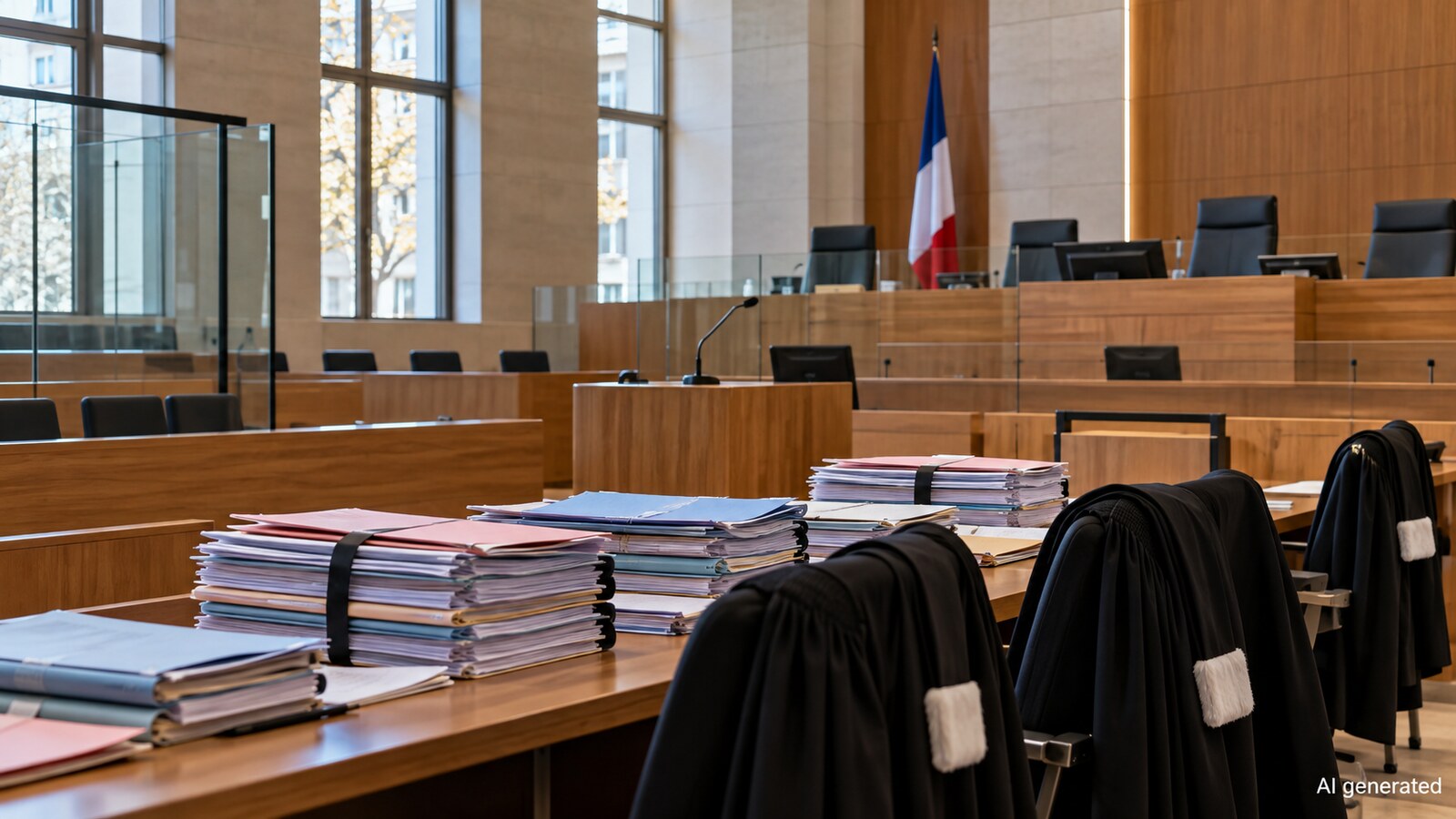
French courts have been processing a large wave of cases arising from the violence and looting of 17 October. Justice Minister Gérald Darmanin said on 22 October that 217 people had been sent to prison from about 2,700 people detained. Courthouse News, carrying AFP reporting, said the total was still rising as immediate hearings continued.
That figure does not mean every arrest produced a conviction, nor that every conviction involved the same conduct. The procedure known as comparution immédiate can bring an adult defendant before a criminal court directly after police custody. It offers a rapid response, but the compressed timetable puts unusual pressure on evidence review, legal preparation and assessments of a defendant's circumstances.
Speed has changed how cases are tested
Le Monde reported that extra courtrooms were opened in Paris and that courts in Lyon and Marseille also ran at high capacity. In the Paris hearings it observed, prosecutors frequently sought immediate custody, while judges issued suspended sentences, electronic monitoring, delayed imprisonment and acquittals where files did not establish the full accusation.
The Guardian reported that more than 900 people were being fast-tracked and that defence lawyers complained they had too little time with clients. The Paris prosecutor said many people referred to court had no previous conviction. That matters because rapid sentencing can combine first-time defendants, repeat offenders, alleged violence and opportunistic handling of stolen goods within the same public debate.
The national total hides different outcomes
Outcomes differed by facts and city. Le Monde described immediate prison terms in Lyon for some defendants with prior records or clearly identified stolen goods, but also acquittals in Paris when evidence did not prove entry into a looted shop. Courthouse News reported cases ranging from possession of potential weapons to allegations based on hurried files and vague police reports.
The policy dispute is therefore not a simple choice between punishment and impunity. Property destruction, assault and theft require investigation and trial. At the same time, courts must decide individual responsibility from admissible evidence, not from the scale of the wider unrest or ministerial demands for severity. Appeals and later hearings may still change some outcomes.
Source note: Le Monde and the Guardian supplied independent courtroom reporting and defence concerns. Courthouse News carried AFP reporting on national figures and individual cases. Justice Ministry data on the prison population were consulted as context for capacity, not as confirmation of riot-related convictions.
Sources & context
Reporting and reference material used for this article. Context sources do not independently confirm every news claim.
- Le Monde: courtroom reporting from Paris, Lyon and Marseille ↗Independent courtroom reporting: charges, evidence and varied sentences, 21 October
- The Guardian: lawyers challenge the fast-track process ↗Independent reporting: procedure, defendant profiles and defence concerns, 22 October
- Courthouse News: 217 people sent to prison ↗AFP reporting: national justice-minister total and sample cases, 23 October
- French Justice Ministry: October prison-population context ↗Official context: prison population before the riot-related proceedings
Written for WHIF from the linked material. This article does not claim on-the-ground reporting. Our editorial standards.