France’s biodiversity agency opens a free course on climate adaptation
The OFB’s online programme starts on 16 September and explores nature-based solutions, from understanding local risks to designing and assessing projects.
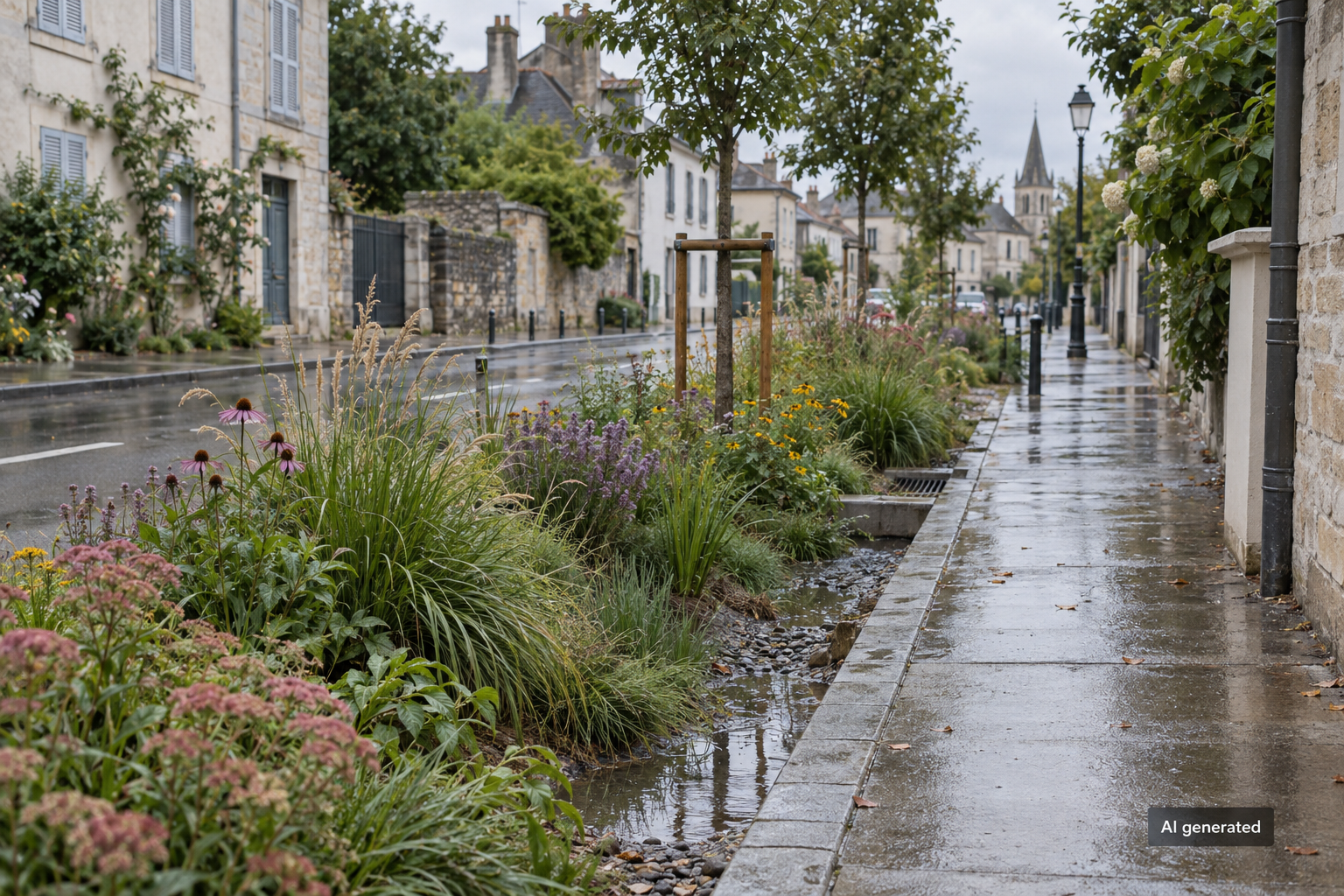
France’s biodiversity agency, the OFB, is opening a free online course on adapting to climate change through nature-based solutions. Its official calendar lists the programme from 16 September to 13 November 2026. The course is open to everyone and is advertised as requiring about two hours a week over nine weeks.
The LIFE ARTISAN programme features 43 speakers and examples from mainland France and overseas territories. The OFB describes videos, quizzes, case studies and discussions connecting ideas with practical decisions across urban, rural and coastal settings.
More than adding greenery
Nature-based solutions are not simply another name for adding greenery. The International Union for Conservation of Nature describes actions that protect, manage or restore ecosystems while addressing societal challenges and benefiting both people and biodiversity. Its framework also covers design, implementation and evaluation, making outcomes part of the concept rather than an optional extra.
The announced teaching covers local risks, stakeholder involvement and measuring results, with wetlands, hedgerows and urban vegetation among its examples. These are course topics, not evidence that a particular project has already reduced flooding or temperatures.
How to approach the course
Two learning routes offer badges focused on understanding or implementation. Follow the registration link in the OFB announcement for participation details. Do not confuse a training schedule with the time needed to complete a local adaptation project.
A useful way to approach the material is to bring one concrete question: which local risk needs addressing, and what would count as an improvement? That keeps the focus on decisions and evidence. The IUCN reference supplies conceptual context only; it is not an independent evaluation or endorsement of this particular OFB course.
Sources & context
Reporting and reference material used for this article. Context sources do not independently confirm every news claim.
- OFB: nature-based climate-adaptation MOOC ↗Primary course announcement: format, workload, programme and registration link
- OFB: official events calendar ↗Primary schedule: 16 September to 13 November 2026; same organisation as the announcement
- IUCN: Nature-based Solutions ↗Independent technical context: definition and evaluation principles, not an assessment of the OFB course
Written for WHIF from the linked material. This article does not claim on-the-ground reporting. Our editorial standards.