MaPrimeRénov loses €351 million from its 2026 budget
The housing agency has absorbed a government spending freeze by reducing renovation programmes, sharpening questions about how many projects can still be funded.
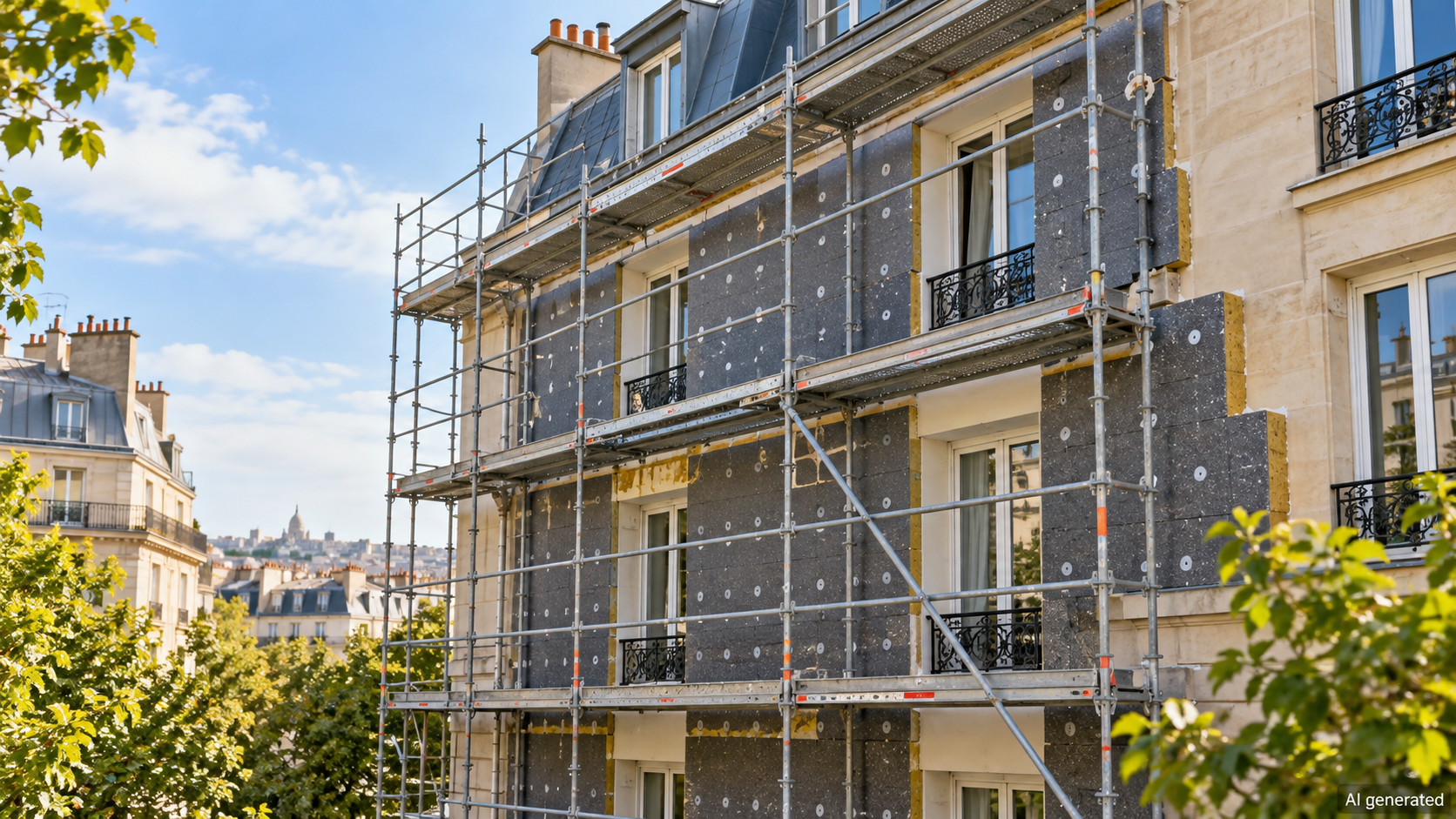
France's national housing agency has approved a €351 million reduction in the 2026 budget for MaPrimeRénov energy-renovation aid. AFP reported that the decision, adopted by Anah's board on 14 October, implements a government credit freeze announced in June rather than creating a new cut for 2027.
According to the board resolution reviewed by AFP, Anah's overall grant budget falls from €4.38 billion to €4.01 billion after state freezes. Within MaPrimeRénov, the accompanied route for comprehensive home renovation loses €255 million and condominium-renovation support loses €50 million. The figures describe programme budgets, not an identical reduction for every applicant.
The agency confirms a funding shift, but not every detail
Anah's own public statement confirms that its board met on 14 October and formally took account of changes made on 1 September and 1 October. It highlights the transfer of finance for some single measures toward energy-savings certificates, or CEE, and stresses the continuing advice role of France Rénov. The short statement does not publish the full budget table cited by AFP.
The adjustment follows a June effort to restrain public spending after the economic shock from the Middle East war. It also arrives after programme rules narrowed during 2026. Service-Public says that, from September, some projects retaining gas heating and several individual insulation measures were removed from particular MaPrimeRénov routes.
A budget cut is not a direct count of cancelled renovations
A smaller public envelope does not translate mechanically into the same fall in total renovation spending. CEE funding, household contributions, local aid and the mix of large and small projects all affect the number completed. Still, less available budget increases the importance of application timing, eligibility rules and the agency's choices between comprehensive renovations and other work.
Anah's February guide originally described a €3.6 billion MaPrimeRénov budget intended to support at least 120,000 comprehensive renovations in 2026. The October cut changes the resources available after much of the year has passed. A reliable new output estimate needs the updated programme accounts, not a simple division of euros by the earlier target.
For households, the practical advice is to check the live France Rénov rules before signing a works contract and not assume that an earlier estimate remains valid. For policy evaluation, the next useful data are approved applications, completed renovations, average grants and waiting times after the cut. Those measures will show the effect more clearly than the headline total alone.
Sources & context
Reporting and reference material used for this article. Context sources do not independently confirm every news claim.
- AFP via Bourse Direct ↗Independent reporting, 14 October: €351 million reduction, overall Anah envelope and programme-level cuts from the board resolution.
- Agence nationale de l'habitat ↗Primary board statement, 14 October: meeting date, recent funding changes and transfer toward energy-savings certificates.
- Service-Public ↗Primary practical context, updated 27 August: September eligibility changes for comprehensive and single-measure renovation aid.
- Anah 2026 aid guide ↗Primary baseline, 24 February: original €3.6 billion MaPrimeRénov budget and target of at least 120,000 comprehensive renovations.
Written for WHIF from the linked material. This article does not claim on-the-ground reporting. Our editorial standards.