France-backed G7 deal promises fuel reserves, with delivery details still missing
Leaders agreed on 2 October to release up to 100 million barrels over four months and avoid energy export restrictions within the group.
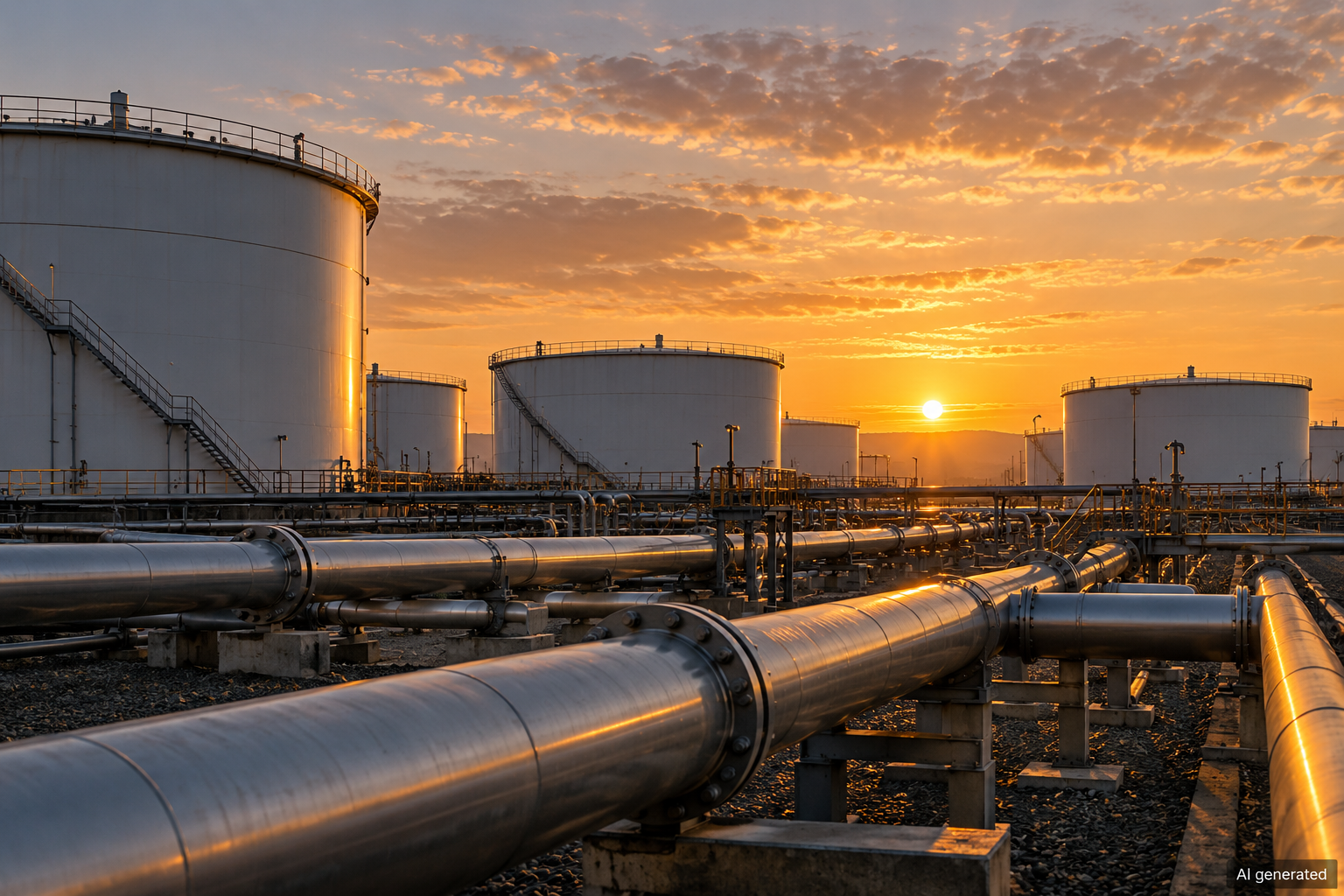
An emergency-stock discussion has become a collective commitment. Following a meeting chaired by France on 2 October, G7 leaders agreed to release up to 100 million barrels of diesel and crude oil over four months. The Élysée says the International Energy Agency will coordinate the operation. It is a new implementation pledge, rather than evidence that the full volume has already reached buyers.
The agreement also rejects energy export bans or restrictions between G7 members. That matters alongside the stock release: keeping existing trade moving and adding stored fuel address different parts of a supply squeeze. The French presidency presents both as elements of a coordinated response to higher fuel prices.
What the announcement leaves open
Reuters reports that the deal followed US pressure on European governments to draw on diesel inventories. The agency says the statement leaves country contributions and the split between crude and refined products unspecified. It also remains unclear how much represents delivery of earlier commitments rather than additional barrels.
Associated Press reports that substantial diesel volumes are intended to move within the first 20 days. Its reporting also highlights the trade-off identified by energy specialists: releasing reserves can provide temporary relief while leaving less emergency cover and creating a future need to replenish stocks.
The test is delivery to the market
The French statement includes work on refinery production and freedom of navigation through disrupted energy routes. Those measures show why stocks alone cannot resolve every constraint. Fuel in storage, refinery capacity and the ability to transport supplies are related, but a headline volume does not establish that each bottleneck has been removed.
For French motorists and businesses, the relevant outcome is the price and availability of delivered fuel. The Élysée says the government will watch whether lower international prices reach filling stations. That is an undertaking to monitor transmission, not a guaranteed reduction of a particular amount on a particular day.
The next useful disclosures are national allocations, delivery dates and the treatment of outstanding earlier pledges. Until those are available, the four-month ceiling should be read as the agreement's scale and timetable. The decision gives the response a firmer framework, while leaving the practical distribution and lasting effect to be demonstrated.
Sources & context
Reporting and reference material used for this article. Context sources do not independently confirm every news claim.
- Élysée ↗Primary statement, 2 October: collective commitments, coordination and French monitoring intentions.
- Reuters, Kate Abnett and Jarrett Renshaw ↗Independent reporting: negotiating pressure, missing allocations and uncertainty about earlier commitments.
- Associated Press, Collin Binkley and John Leicester ↗Independent reporting: early diesel timetable and expert discussion of reserve depletion.
Written for WHIF from the linked material. This article does not claim on-the-ground reporting. Our editorial standards.