A tanker inspection near Réunion becomes a test of maritime law
France diverted the sanctioned DF Peak after questioning its flag documents, while Russia called the operation piracy and the legal inquiry remained open.
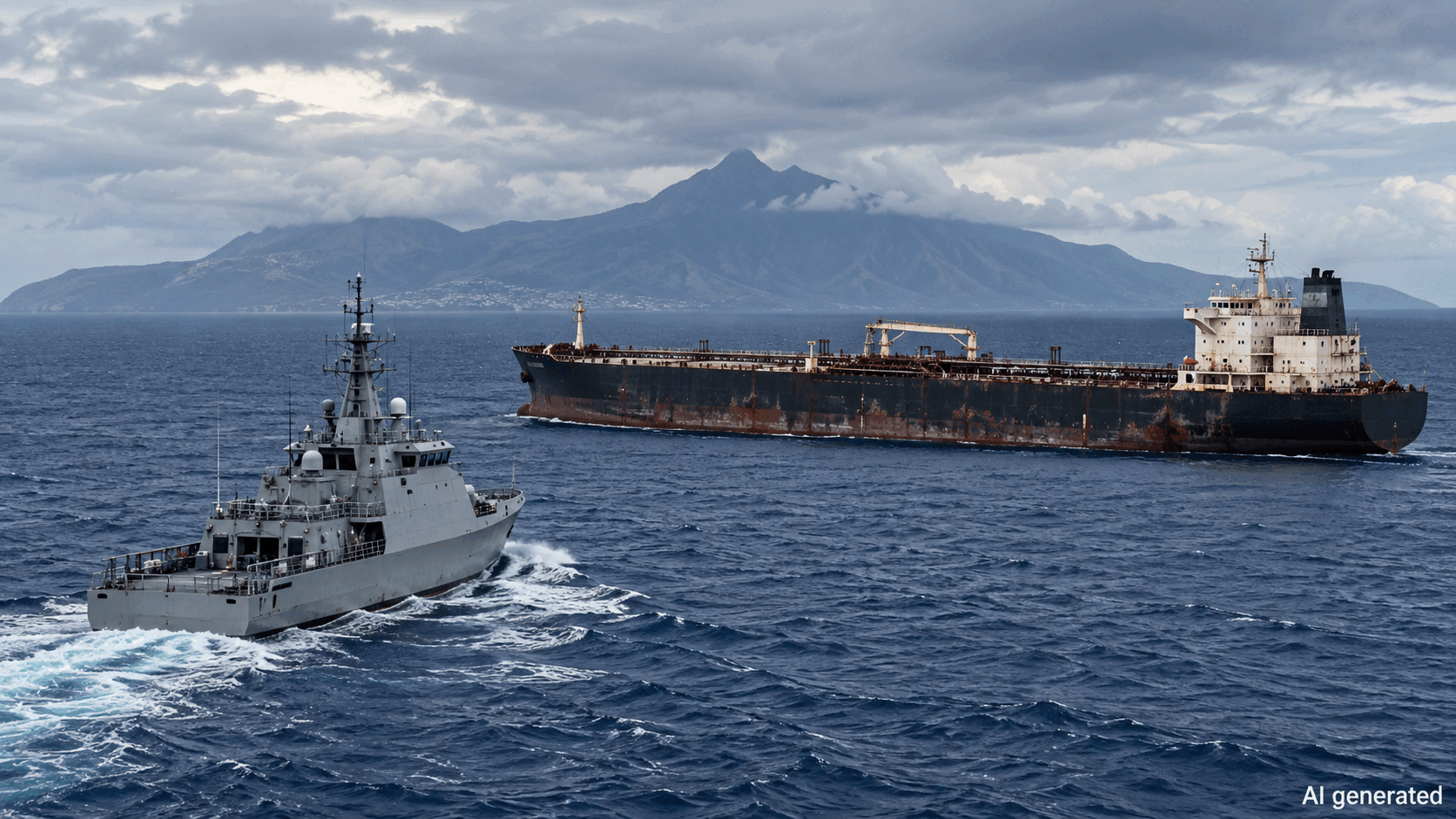
French forces intercepted and boarded the oil tanker DF Peak on 12 October about 450 nautical miles south of Réunion, then ordered it toward the island for further investigation. The military said the purpose of the initial visit was to verify the ship's right to fly its stated flag after doubts arose about its documentation.
The vessel was sailing under the flag of Benin and had previously been called Kaliningrad. Reuters reported that it was already subject to United States, United Kingdom and European Union sanctions. Ship-tracking data placed it off Madagascar after a voyage from Venezuela, but a sanctions listing alone does not settle every legal question raised by a high-seas boarding.
The prosecutor, not the boarding footage, decides what follows
French officials said irregularities found in the documents left their doubts unresolved. The public prosecutor directed that the tanker proceed under escort to Réunion. USNI News reported that 21 crew members remained aboard under military supervision. The move begins a judicial examination; it is not a conviction of the crew, manager or owner.
Article 110 of the United Nations Convention on the Law of the Sea permits a warship to visit a foreign vessel on the high seas in limited circumstances, including when there are reasonable grounds to suspect that it is without nationality or is using a false flag. The legal debate can then turn on what the inspection established and what authority justified diversion and detention.
France and Russia dispute the legal basis
Russia's embassy in France called the seizure piracy and a violation of international law, saying it had not been notified and was checking whether Russian nationals were on board. France describes DF Peak as part of a shadow fleet that obscures ownership, cargo and insurance to move sanctioned oil. Both positions are claims by interested governments and require attribution.
The environmental dimension matters too. Shadow-fleet tankers are often older and may operate outside mainstream insurance and safety systems. A casualty in the Indian Ocean could create liabilities far beyond sanctions policy. That risk does not itself prove illegal carriage, but it explains why documentation, insurance and flag responsibility are not mere paperwork.
The next facts should come from the Réunion investigation: the validity of the Beninese registration, the cargo documents, the legal basis for continued detention and the status of the crew. Until those are published, the accurate description is a suspected false-flag and illicit-fuel case under examination, not a finally established sanctions-evasion offence.
Sources & context
Reporting and reference material used for this article. Context sources do not independently confirm every news claim.
- Reuters ↗Independent reporting, 13 October: interception, sanctions, tracking data, French account and Russian response.
- USNI News ↗Independent specialist reporting, 13 October: document irregularities, prosecutor's direction and crew status.
- Euronews ↗Independent reporting, 12 October: distance from Réunion, suspected false flag and initial French announcement.
- United Nations ↗Primary legal context: UN Convention on the Law of the Sea, including Article 110 on the right of visit.
Written for WHIF from the linked material. This article does not claim on-the-ground reporting. Our editorial standards.