France's protest bans enter a legal test
Restrictions before 24 October are spreading across France. Courts, not political labels, will decide whether each order is necessary and proportionate.
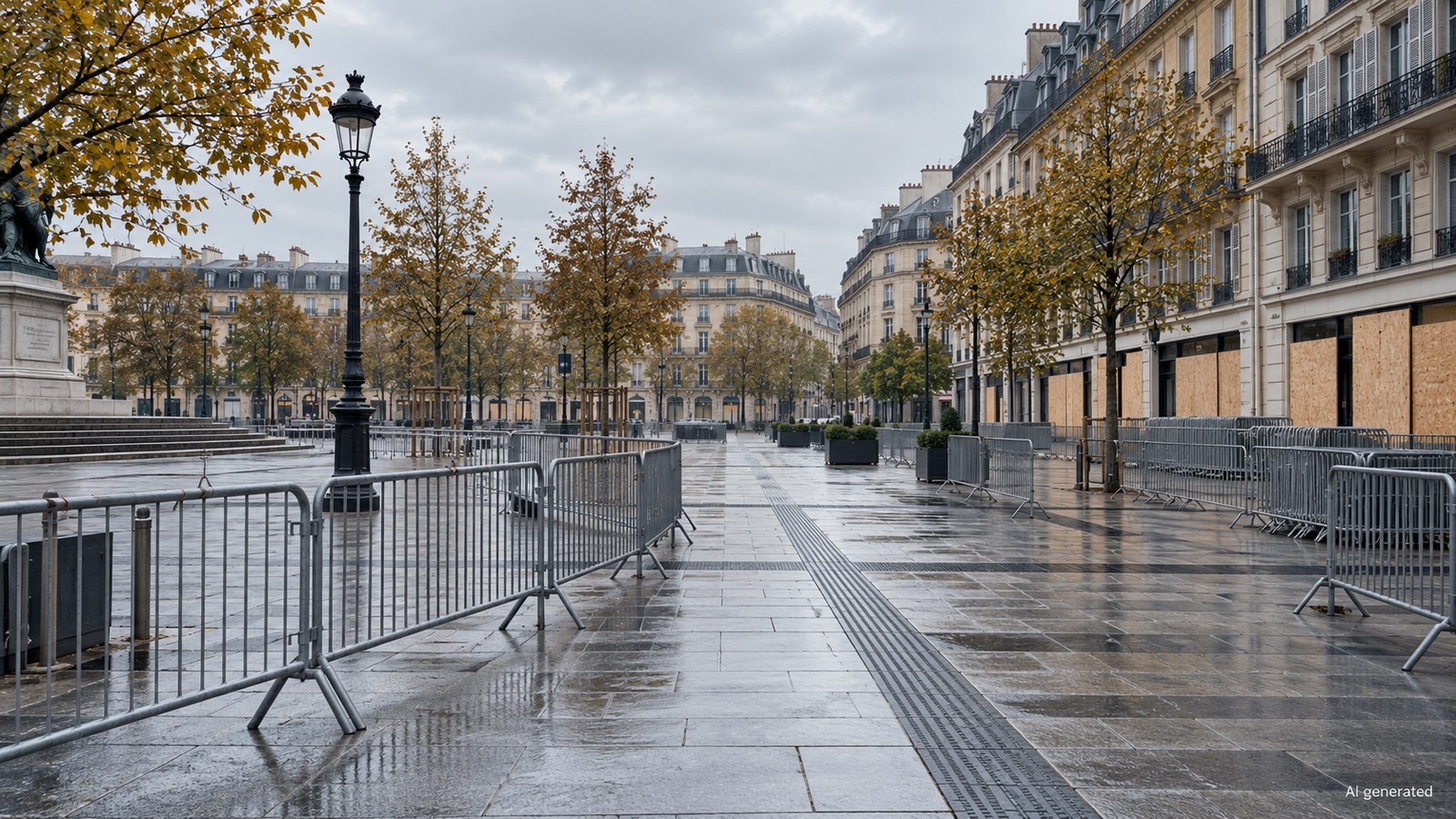
French authorities have prohibited or narrowed demonstrations planned for Saturday 24 October in several cities after the violence of the previous weekend. Reuters reported blanket bans in Marseille and Lyon, alternative routes for some declared marches and preparations for a permitted Yellow Vest procession in Paris. The national direction is restrictive, but the legal instruments remain local orders issued by prefects.
The government's stated distinction is between declared marches organised by recognised bodies, including trade unions, and gatherings it considers likely to produce serious disorder. In the official 22 October briefing, spokesperson Maud Bregeon said lawful marches could proceed on routes that protect city centres and shops. She also said prefects must rely on substantiated risks and that affected groups can seek urgent review in administrative courts.
A ban is not automatic
That review is already part of the story. Le Monde reported that civil-liberties groups challenged multiple bans with mixed but real success. A Paris administrative court required the police prefecture to publish protest bans at least 12 hours before they take effect, giving applicants a practical opportunity to appeal. The ruling does not settle every local dispute, but it limits last-minute restrictions that cannot be tested in time.
President Emmanuel Macron framed the measures as a response to ultra-left groups and vandals, according to Reuters. Those are attributed political claims, not judicial findings about individual organisers or participants. The earlier demonstrations combined large peaceful crowds with serious violence, so evidence about one part cannot automatically be applied to every planned gathering.
The weekend will test both order and rights
The legal question is narrower than whether the public wants a firm response. Authorities must show that a specific restriction is necessary to prevent a sufficiently serious risk and that less restrictive measures, such as a changed route or timetable, would not work. Organisers, meanwhile, retain duties to declare marches and cooperate on safety. Courts can examine the facts offered for each order rather than endorse or reject a national slogan.
Saturday will therefore test two state capacities at once: protecting people and property, and preserving a fundamental freedom under pressure. A peaceful march that follows an agreed route would not validate every ban elsewhere. Fresh violence would not retrospectively prove that every prohibited gathering posed the same threat. The relevant record will be city-specific orders, court decisions and what occurs on the ground.
Source access note: Reuters supplied current reporting on the restrictions and political statements. Le Monde independently examined the civil-liberties challenges and court rulings. The French government's full briefing transcript was consulted as the primary account of its legal position. Claims about responsibility for violence remain attributed and are not presented as established fact.
Sources & context
Reporting and reference material used for this article. Context sources do not independently confirm every news claim.
- Reuters: Macron tightens curbs on protests ↗Reporting: bans, permitted routes, political statements and preparations, 22 October
- Le Monde: protest bans and rule-of-law concerns ↗Independent reporting: legal challenges, rights concerns and court rulings, 23 October
- French government: Council of Ministers briefing ↗Primary source: government explanation of the restrictions, safeguards and appeal route, 22 October
Written for WHIF from the linked material. This article does not claim on-the-ground reporting. Our editorial standards.