France sets tougher 2030 targets for protected areas
A second national action plan shifts the argument from headline coverage towards strong protection, better management and a more balanced effort between mainland land and sea.
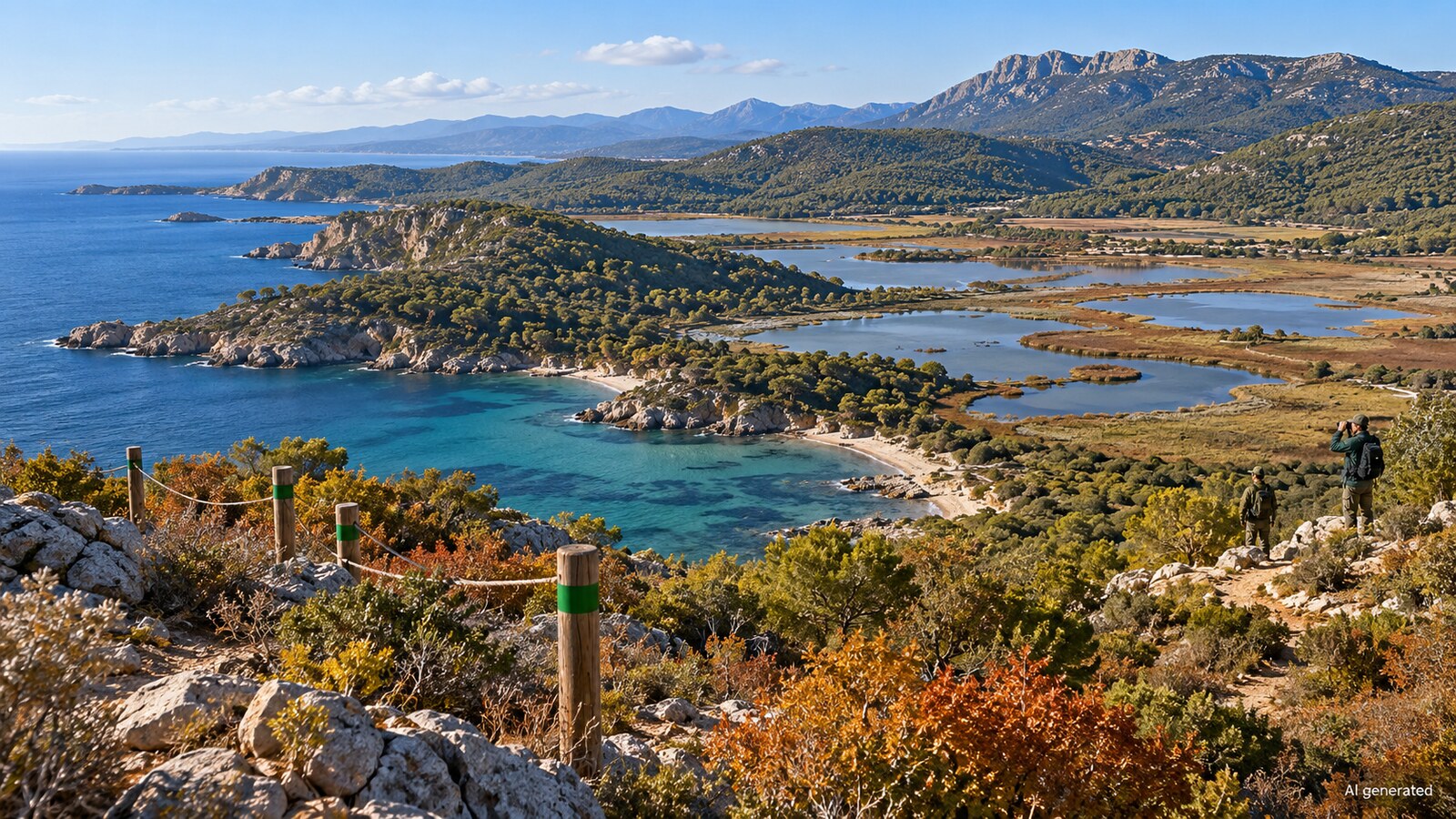
France has published a second action plan for its national protected-areas strategy, covering 2026 to 2030. The plan narrows the programme from 139 actions to 52 and sets new targets for areas under strong protection, the category intended to reduce or remove pressures rather than simply place a boundary on a map.
The government says 75 percent of the national territory is within some form of protected area and 22.5 percent benefits from strong protection. Those national totals are dominated by extensive marine and overseas zones. They do not mean that mainland habitats are protected at the same intensity.
Mainland gaps sit behind the national total
The new targets make that imbalance more visible. By 2030, France aims for strong protection across 10 percent of national land, including at least 3 percent of mainland territory. It also wants at least 5 percent of mainland maritime façades strongly protected. Specialist reporting put the current mainland shares at about 1.56 percent on land and 0.19 percent at sea.
Coverage alone is not the plan's only test. The programme promises better management of existing sites, stronger ecological connections between them and closer integration with local development decisions. Regional plans led by prefects and local partners will determine which national ambitions become enforceable measures on specific habitats.
Management and money decide effectiveness
Environmental groups welcomed a clearer structure and greater participation but questioned delivery. The Société Nationale de Protection de la Nature said implementation still faced inadequate budgets and unfavourable political trade-offs. That critique matters because strong protection depends on rules, monitoring and management capacity, not only designation.
The plan also connects with France's forthcoming nature-restoration programme under European law. Protected areas can preserve relatively intact ecosystems, while restoration obligations address degraded habitats beyond those boundaries. Treating the two policies as complementary is necessary if conservation is to improve ecological condition rather than only increase mapped area.
What progress should look like
Progress should therefore be judged on three measures: hectares designated, the legal strength of protection and evidence that ecological pressures fall. The 2030 targets are more specific than the national headline, but the distance between mainland starting points and promised coverage means financing and local implementation will decide the result.
Sources & context
Reporting and reference material used for this article. Context sources do not independently confirm every news claim.
- French Ministry for Ecological Transition ↗Primary material, published 28 October 2026: plan, national coverage figures and 2030 targets.
- Localtis, Banque des Territoires ↗Independent specialist reporting, published 28 October 2026: governance, action count and implementation structure.
- Société Nationale de Protection de la Nature ↗Stakeholder analysis, published 28 October 2026: support for improvements and concerns about budgets and effectiveness.
- Actu-Environnement ↗Independent specialist reporting, published 28 October 2026: current mainland strong-protection shares and target comparison.
Written for WHIF from the linked material. This article does not claim on-the-ground reporting. Our editorial standards.