French MPs reject a planned limit on pensioners' tax allowance
The 116 to 30 vote removes a projected €1.4 billion measure for now, but the 2027 budget process is unfinished and the fiscal gap remains unresolved.
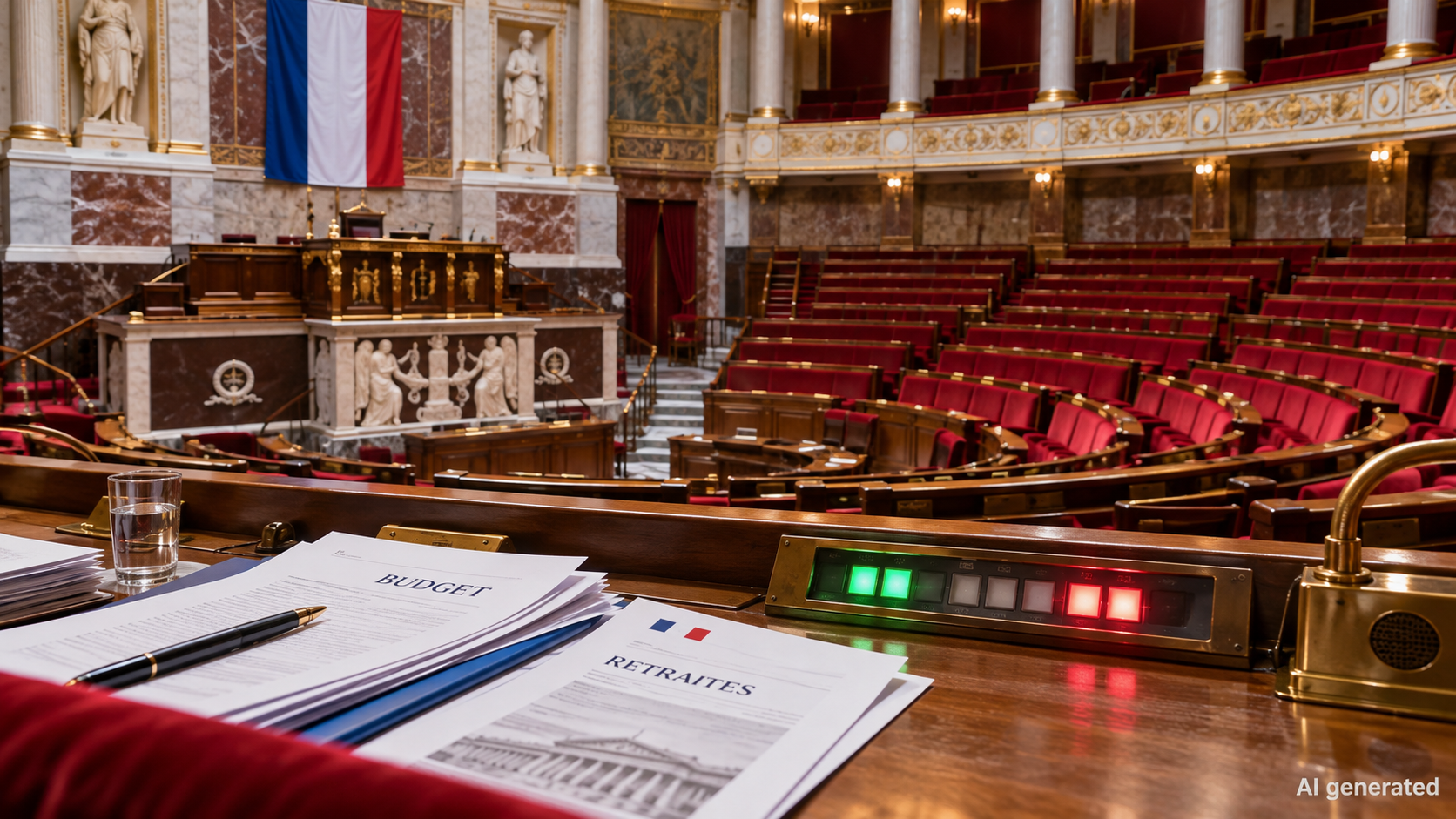
France's National Assembly rejected a government proposal to reduce a tax advantage for pensioners on 15 October. Deputies voted 116 to 30 against capping the existing 10% allowance at €3,000 per household, a measure the draft 2027 budget expected to raise about €1.4 billion.
The current allowance is calculated as 10% of pension income and already has a ceiling. Reuters reported that the government wanted to lower the effective cap from €4,439 to €3,000. The rejected change concerned taxable income, not a direct cut of the same amount from every pension payment.
A broad coalition opposed the measure
Opposition came from several parts of the chamber. LCP, the National Assembly's parliamentary broadcaster, reported that amendments from National Rally, La France Insoumise and Les Républicains removed the measure. Some centrist and government-aligned deputies also opposed or abstained, showing how difficult pension-related savings are before the 2027 presidential election.
The vote creates a budget problem rather than a final benefit guarantee. The government's package aims to reduce the public deficit from an estimated 5.4% of gross domestic product in 2026 to 5% in 2027. Reuters' overview of the draft says the pension allowance cap was one part of a much larger mix of tax rises and spending restraints.
The vote is important, but it is not the final budget
Parliamentary rejection at this stage does not settle the law. The National Assembly and Senate will continue examining the finance bill, and provisions can be rewritten or restored before a final text. Several reports therefore describe the change as removed for now. Taxpayers should not use the vote alone to calculate their 2027 liability.
The measure also needs to be distinguished from pension indexation. The government has separately proposed slower increases for many pensions, while the complementary Agirc-Arrco scheme has just announced its own 1.4% rise. These decisions use different legal routes and affect household income in different ways.
Politically, the 116 to 30 result reveals the constraint on France's deficit plan: a saving can look substantial in the budget total yet attract a broad coalition against it when the affected group is clearly identified. The government must now replace the expected revenue, accept a weaker deficit path or win support for a revised measure later in the process.
Sources & context
Reporting and reference material used for this article. Context sources do not independently confirm every news claim.
- LCP Assemblée nationale ↗Primary parliamentary reporting, 15 October: vote, amendments and positions in the chamber.
- AFP via TV5MONDE ↗Independent reporting, 15 October: government setback, projected revenue and state of the budget timetable.
- Le Monde ↗Independent reporting, 15 October: scope of the tax allowance and political opposition.
- Reuters ↗Independent budget context, 1 October: deficit target and place of the pension-tax proposal in the wider package.
Written for WHIF from the linked material. This article does not claim on-the-ground reporting. Our editorial standards.