Autumn rain has not ended France's severe water shortage
Groundwater recharge began at only 27 percent of monitoring points in October, while new restrictions and a drinking-water warning show the local stakes.
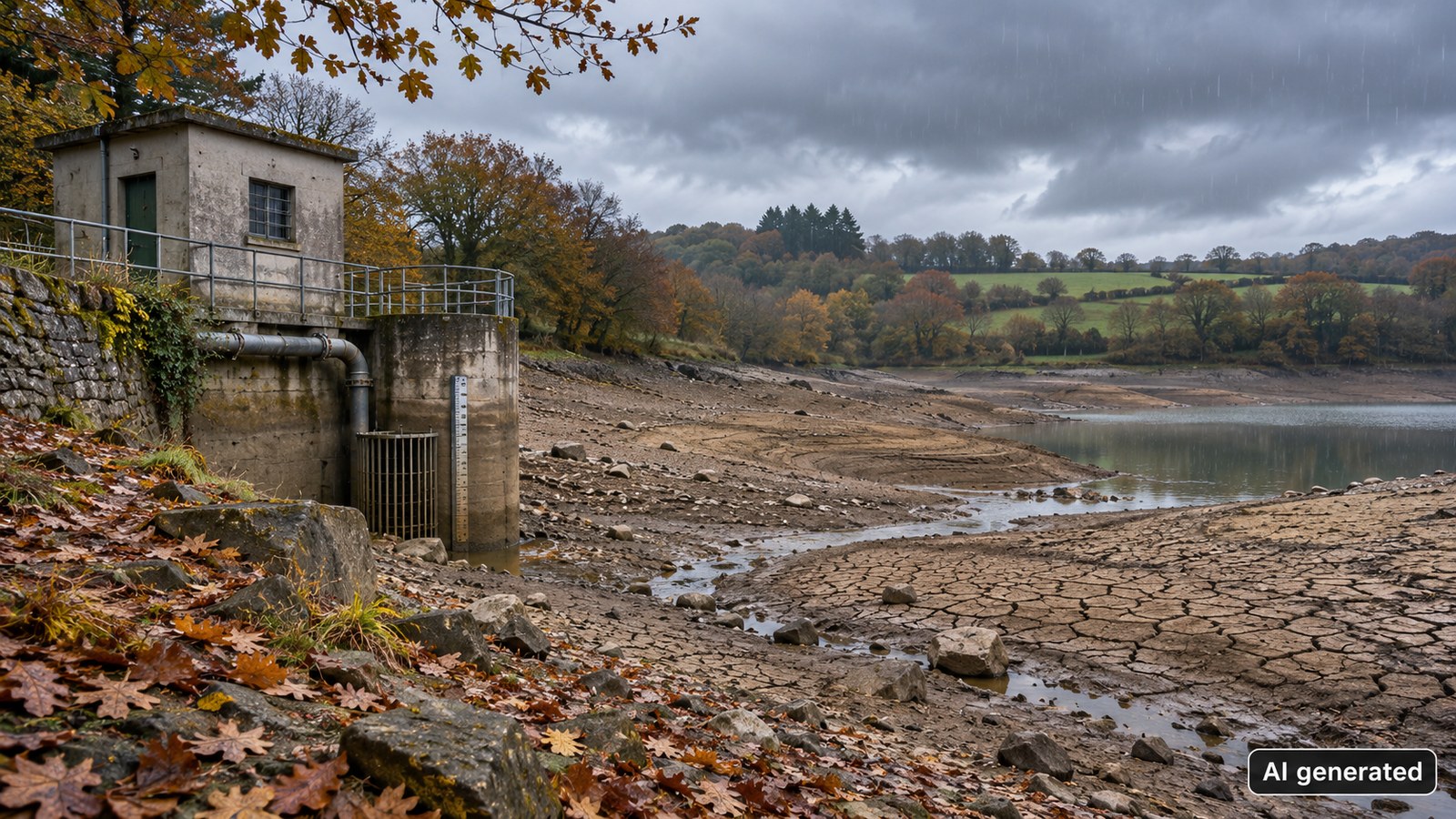
France entered November with groundwater still in a worrying condition despite October rain. The national geological service BRGM reported that 64 percent of monitoring points were below their normal monthly level on 1 November.
Recharge had begun at only 27 percent of monitored points during October, while levels were still falling at 55 percent. The south and south-east benefited from heavy Cévennes rainfall, but much of the territory north of that zone remained in decline.
Recharge has started in only a minority of places
Groundwater responds more slowly than a wet weekend suggests. Rain first has to replenish dry upper soils before significant water reaches aquifers, and vegetation can continue using moisture before winter dormancy. BRGM says sustained, effective precipitation is needed to reverse the accumulated deficit, with the outcome dependent on where and how rain falls.
Official restrictions remain widespread. VigiEau's 13 November register listed 143 current restriction orders and showed fresh crisis or reinforced-alert decisions in departments including Cher, Puy-de-Dôme, Morbihan, Yonne and Meuse. The register is a national snapshot; users should enter their address on VigiEau or consult the applicable prefectural order for exact local rules.
Restrictions continue well into November
The risk is already concrete in Côtes-d'Armor. The prefecture says the department has remained at drought-crisis level since 14 August, with weak river flows, drying aquifers and unusually low reservoirs. Specialist outlet Actu-Environnement reported on 13 November that local water suppliers were asked to prepare practical plans for a possible interruption in drinking-water distribution.
This is not a claim that France will run out of water everywhere. Conditions vary sharply by basin and can improve with persistent winter rain. It does show why autumn restrictions are not automatically obsolete and why a national percentage cannot replace local monitoring of rivers, reservoirs, groundwater and drinking-water networks.
A national shortage has very local consequences
The next BRGM bulletin and updated prefectural orders will indicate whether recharge is taking hold. Until then, households and businesses should follow current local rules rather than assumptions based on the weather outside.
Sources & context
Reporting and reference material used for this article. Context sources do not independently confirm every news claim.
- BRGM ↗Primary national groundwater bulletin, published 9 November 2026: monitoring percentages, regional contrasts and recharge outlook.
- VigiEau ↗Primary government restriction register consulted 14 November 2026: current orders, severity levels and local-document warning.
- Côtes-d'Armor prefecture ↗Primary local warning, updated 2 November 2026: crisis status, low flows, falling aquifers, reservoir conditions and restrictions.
- Actu-Environnement ↗Independent specialist reporting, published 13 November 2026: drinking-water contingency planning and regional supply pressure.
Written for WHIF from the linked material. This article does not claim on-the-ground reporting. Our editorial standards.