France's nature-restoration draft now faces the delivery test
The plan sent to Brussels connects farms, forests and cities. Its targets are commitments to action, not evidence that habitats have recovered.
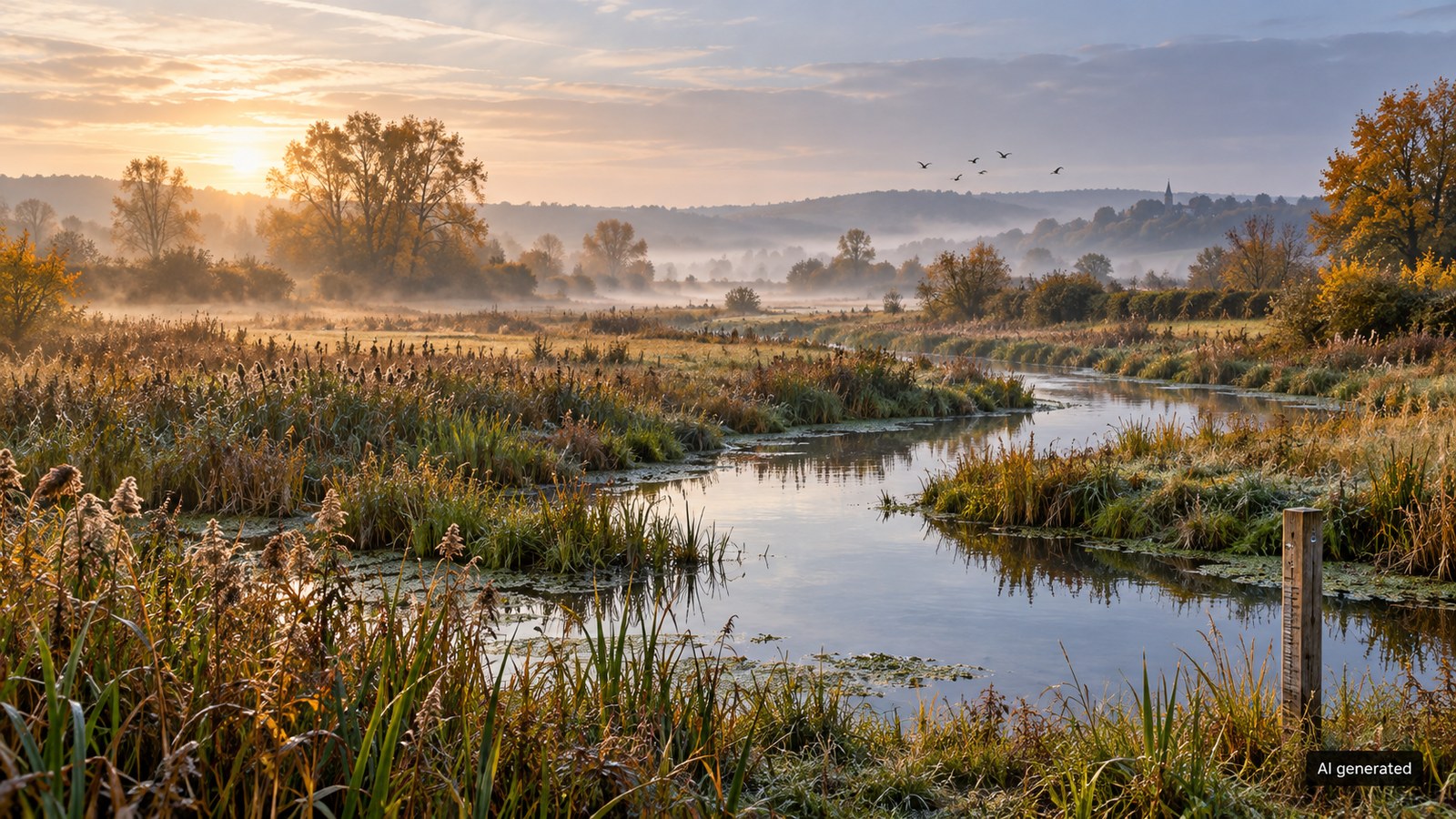
France's draft national nature-restoration plan has entered the European assessment process. Localtis reports that it was submitted to the European Commission on 9 October, with a public summary released on 14 October. It remains a draft: submission is not the end of consultation or a certificate that the planned work has been delivered.
The timetable described by Localtis includes an environmental-authority opinion, further public consultation and a Commission assessment before finalisation in September 2027. For local authorities and land managers, the next stage concerns how broad national commitments become specific interventions with responsibilities and resources attached.
Beyond protected landscapes
The Office français de la biodiversité explains why the scope extends beyond celebrated reserves. The European restoration framework covers agricultural, forest, urban, freshwater and marine ecosystems, as well as pollinators. It requires national plans with milestones for 2030, 2040 and 2050, supported by knowledge, indicators and financing information.
The French summary illustrates that approach on farmland. It sets a target of four million hectares covered by restoration measures by 2030, equivalent to 13.8% of the utilised agricultural area. Priorities include extensive grass-based livestock systems, landscape diversity such as hedgerows, and reducing risks associated with pesticides and mineral fertilisers.
Funding and measurable results
A hectare covered by a measure is not necessarily a hectare already restored to good ecological condition. That distinction is central to reading the plan. The OFB stresses monitoring and stronger reporting; progress therefore needs to be judged through ecological indicators as well as the amount of land enrolled in programmes.
Localtis estimates the implementation cost at roughly €5 billion a year and reports that part of the funding remains to be found. It also notes reliance on existing strategies. Combining programmes can improve coordination, but a consolidated document alone does not demonstrate additional spending or resolve gaps in delivery.
The practical questions now are which projects will be funded, what baseline they will use and how results will be reported. This article examines the domestic draft, distinct from international biodiversity negotiations. The ministry's original web release could not be retrieved; its substantive plan summary was consulted through the copy hosted by Banque des Territoires.
Sources & context
Reporting and reference material used for this article. Context sources do not independently confirm every news claim.
- Localtis: France submits its restoration draft ↗Reporting: submission, timetable and financing, 15 October
- French government: draft-plan summary ↗Primary material: government plan summary, hosted by Banque des Territoires
- Office français de la biodiversité: restoration framework ↗Primary context: explanation of the European framework and monitoring requirements
Written for WHIF from the linked material. This article does not claim on-the-ground reporting. Our editorial standards.