France’s Documentary Month opens 3,000 screenings beyond cinemas
The 27th Mois du Doc runs throughout November in libraries, schools, social centres and theatres, with public discussions built into the national programme.
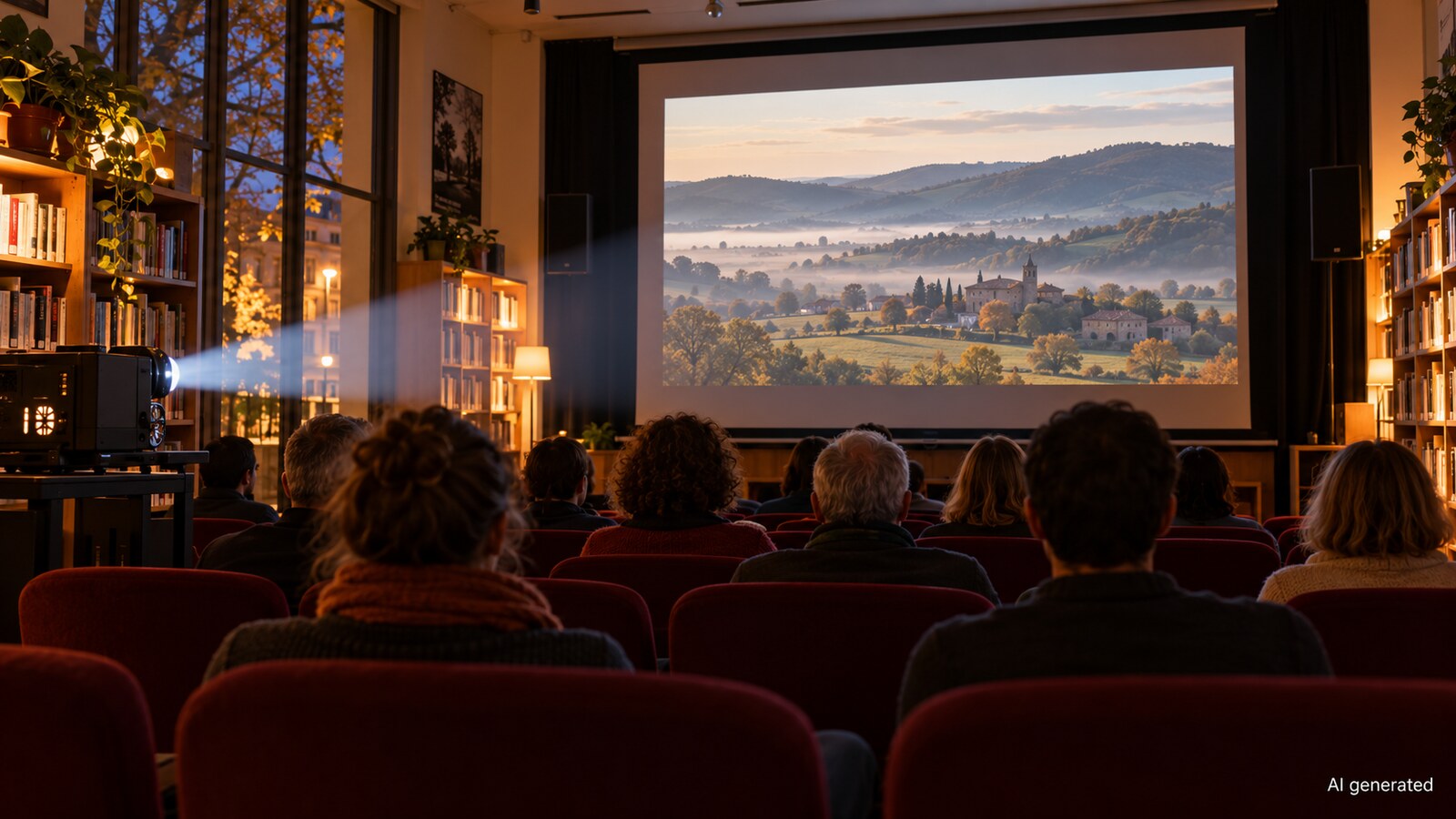
France’s 27th Mois du Doc begins on 1 November with more than 3,000 documentary screenings planned across the month. The programme reaches well beyond commercial cinemas. Libraries, schools, cultural and social centres, hospitals and other public venues host films, discussions and workshops until 30 November.
This year’s theme is Contre-courant, or against the current. Images en bibliothèques, the national coordinator, presents it as an invitation to examine films that challenge dominant narratives, social norms and familiar ways of seeing the world. The theme is curatorial guidance, not a claim that every participating film shares one political position.
A theme about questioning the familiar
The CNC highlights a selection spanning politics, health, art and the environment. The Cinémathèque du documentaire says participating network members pair many screenings with exchanges between audiences and filmmakers. That format can make a local library event different from simply watching the same title at home.
The national total is an organiser figure for scheduled activity, not verified attendance. Regional details show how the network works in practice. ALCA Nouvelle-Aquitaine lists almost 110 participating structures, more than 300 events in 92 municipalities and 126 screenings accompanied by an invited speaker.
A national network built locally
The geography is one of the month’s strengths. A documentary can travel through places with no specialist art-house cinema, while a host organisation can connect it to a local subject or audience. The same decentralisation means practical details vary by venue, including booking, admission, accessibility, subtitles and the presence of guests.
Readers should use the national programme to discover events, then confirm information with the individual host before travelling. Dates and screening conditions can change, and a film listed within a regional selection may not play in every participating town. WHIF has not reviewed the films and does not infer quality from inclusion.
How to use the programme
The edition’s significance is cultural infrastructure as much as a list of titles. For one month, documentary cinema becomes a shared public programme in venues that already serve local communities. Its value will be measured not only by screenings delivered, but by whether audiences can take part in the conversations around them.
Sources & context
Reporting and reference material used for this article. Context sources do not independently confirm every news claim.
- Centre national du cinéma ↗Official cinema-sector overview, consulted 1 November 2026: dates, national scale, venues and selected programme themes.
- Images en bibliothèques ↗Primary organiser material, consulted 1 November 2026: national programme and coordination model.
- La Cinémathèque du documentaire ↗Partner-network context, published for the 2026 edition: theme, discussions and participating venues.
- ALCA Nouvelle-Aquitaine ↗Regional programme data, published 19 October 2026: local structures, municipalities, events and accompanied screenings.
Written for WHIF from the linked material. This article does not claim on-the-ground reporting. Our editorial standards.