France and Germany redraw the EU car compromise
Their joint position would keep a 90% emissions cut for new cars in 2035 while loosening offsets and opening selected European support to Britain.
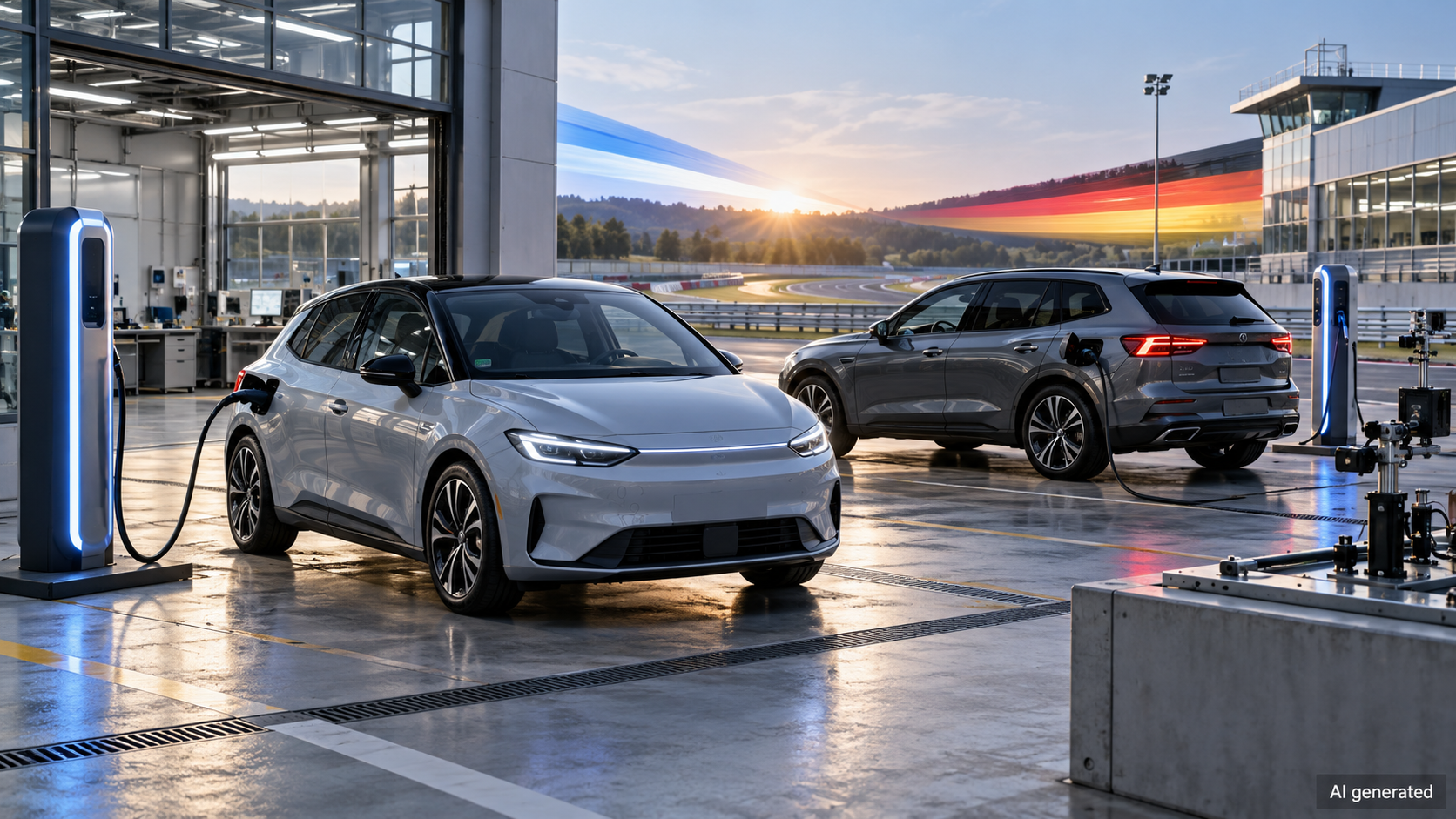
France and Germany agreed on 16 October to back a softer version of proposed European car-emissions rules and a conditional path for Britain to qualify under selected 'Made in Europe' measures. The joint position is influential, but it is not EU law and still needs support from other governments and the European Parliament.
Reuters reported that the plan keeps a 90% reduction in new-car carbon dioxide emissions by 2035 compared with 2021, but removes extra compensatory requirements for the remaining 10%, such as specified use of low-carbon steel or alternative fuels. That would leave room for some combustion and hybrid models after 2035.
Industrial policy sits inside the emissions argument
The compromise reflects different industrial priorities. Germany sought more flexibility for manufacturers and plug-in hybrids. France wanted public subsidies and procurement to favour vehicles made in Europe, as well as support for smaller electric cars. Automotive shares rose after the announcement, which measures investor reaction rather than environmental effectiveness.
The proposed sourcing rules would treat EU members and certain European partners in the internal market as eligible, using a 1 January 2020 reference that could include the United Kingdom. Reuters said British access would be conditional on reciprocal trade and investment terms, so the agreement does not create automatic or comprehensive post-Brexit preference.
British access would be conditional, not automatic
The industrial effects differ across French groups. Le Monde reported that Stellantis, with a high share of European production, welcomed the direction, while Renault's manufacturing in Morocco and Turkey creates exposure if those countries remain outside the preferred perimeter. Suppliers also want stricter local-content rules for components and batteries.
Climate groups argue that easing the framework weakens incentives to move investment fully into zero-emission vehicles. Carmakers counter that regulatory flexibility, affordable models and charging infrastructure are needed to sustain demand and employment. Both positions depend on future sales, technology and electricity assumptions that the bilateral deal itself cannot settle.
The next stage is negotiation, not implementation. Watch the Commission's legislative text, definitions of qualifying content, treatment of corporate fleets and any transition rules. The Franco-German bargain narrows the political options, but final rules may still alter who receives subsidies, which vehicles comply and how much carbon the sector actually cuts.
Sources & context
Reporting and reference material used for this article. Context sources do not independently confirm every news claim.
- Reuters ↗Independent reporting, 16 October: 2035 target, compensation change, sourcing proposal and market reaction.
- Financial Times ↗Independent reporting, 16 October: Franco-German priorities, hybrid flexibility and industrial-policy trade-offs.
- Le Monde ↗Independent reporting, 17 October: implications for Stellantis, Renault, suppliers and local-content thresholds.
- Reuters proposal explainer ↗Independent context, 16 December 2025: Commission baseline, fleet provisions and small-EV incentives being renegotiated.
Written for WHIF from the linked material. This article does not claim on-the-ground reporting. Our editorial standards.