France calls for G7 coordination on oil reserves as energy costs rise
The proposed meeting would examine emergency stocks, but a release could only buy time.
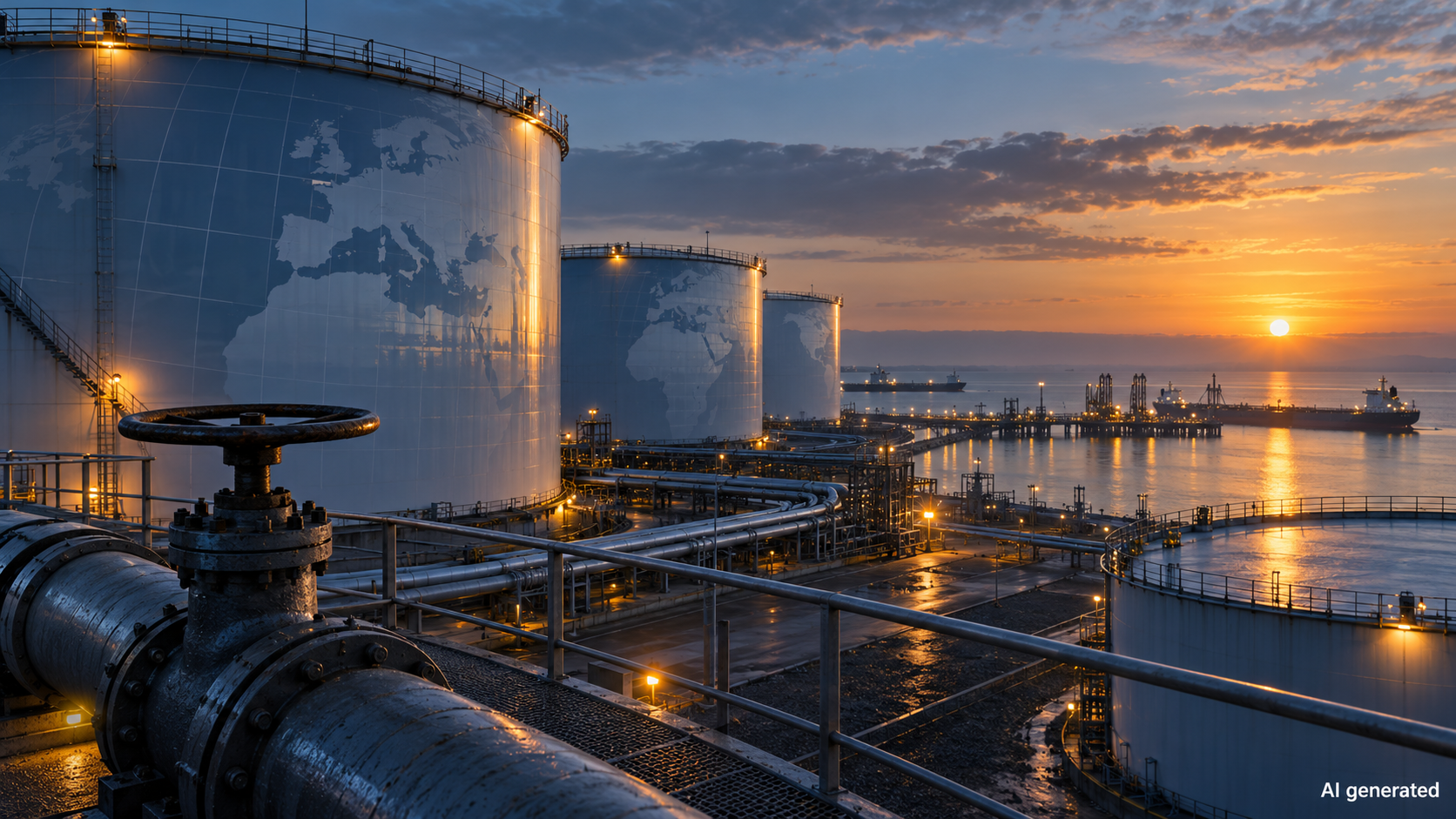
France plans to convene a Group of Seven meeting in the coming weeks to coordinate a response to the energy crisis. Associated Press reporting says President Emmanuel Macron linked the initiative to surging prices, conflicts in the Middle East and Ukraine, and disruption around the Strait of Hormuz.
The Financial Times reports that the discussion is expected to include the possible release of additional strategic oil and refined-fuel reserves, as well as closer coordination on stock levels, exports and production capacity. No new collective release had been confirmed when this article was published.
What emergency reserves can and cannot do
That distinction matters. Strategic reserves are emergency buffers, not a permanent source of cheaper energy. Releasing them can add supply and calm markets for a period, but it also leaves less protection against a later disruption unless stocks can be replenished.
The limits are already visible in the United States. Reuters reported on September 14 that the US Strategic Petroleum Reserve had fallen to 285 million barrels, its lowest level since November 1982, during a planned release of 172 million barrels. G7 countries therefore enter any new discussion with different stock positions and domestic constraints.
Pressure is also political. The Guardian reports that high fuel costs have become a central cost-of-living issue in France and elsewhere in Europe, while proposals range from national tax cuts to calls for a wider windfall levy. The European Commission had not announced an EU-wide tax mechanism at the time of that report.
Supply policy and household relief are different tools
For France, a coordinated reserve decision would sit alongside targeted domestic assistance already announced for frequent drivers. Those measures address different problems: emergency stocks concern market supply, while subsidies change who bears the retail cost. Neither removes the underlying exposure to global oil and shipping disruptions.
The next meaningful update will be a confirmed G7 date, a joint statement or an International Energy Agency decision specifying volumes and timing. Until then, the announcement is best understood as diplomatic preparation. It signals urgency, but it is not yet evidence that more barrels will be released.
Sources & context
Reporting and reference material used for this article. Context sources do not independently confirm every news claim.
- Associated Press ↗Reporting on France’s plan to convene G7 partners and the stated causes of the energy crisis, published 19 September 2026
- Financial Times ↗Reporting on the proposed reserve discussion and wider oil and gas coordination, published 19 September 2026
- Reuters ↗Independent data context on the US strategic reserve, published 14 September 2026
- The Guardian ↗Reporting on European fuel-price pressure and competing policy responses, published 18 September 2026
Written for WHIF from the linked material. This article does not claim on-the-ground reporting. Our editorial standards.