France's sanctions demand tests European unity on Russia
Paris wants Alisher Usmanov removed from the EU list as governments race to preserve restrictions on thousands of other people and entities.
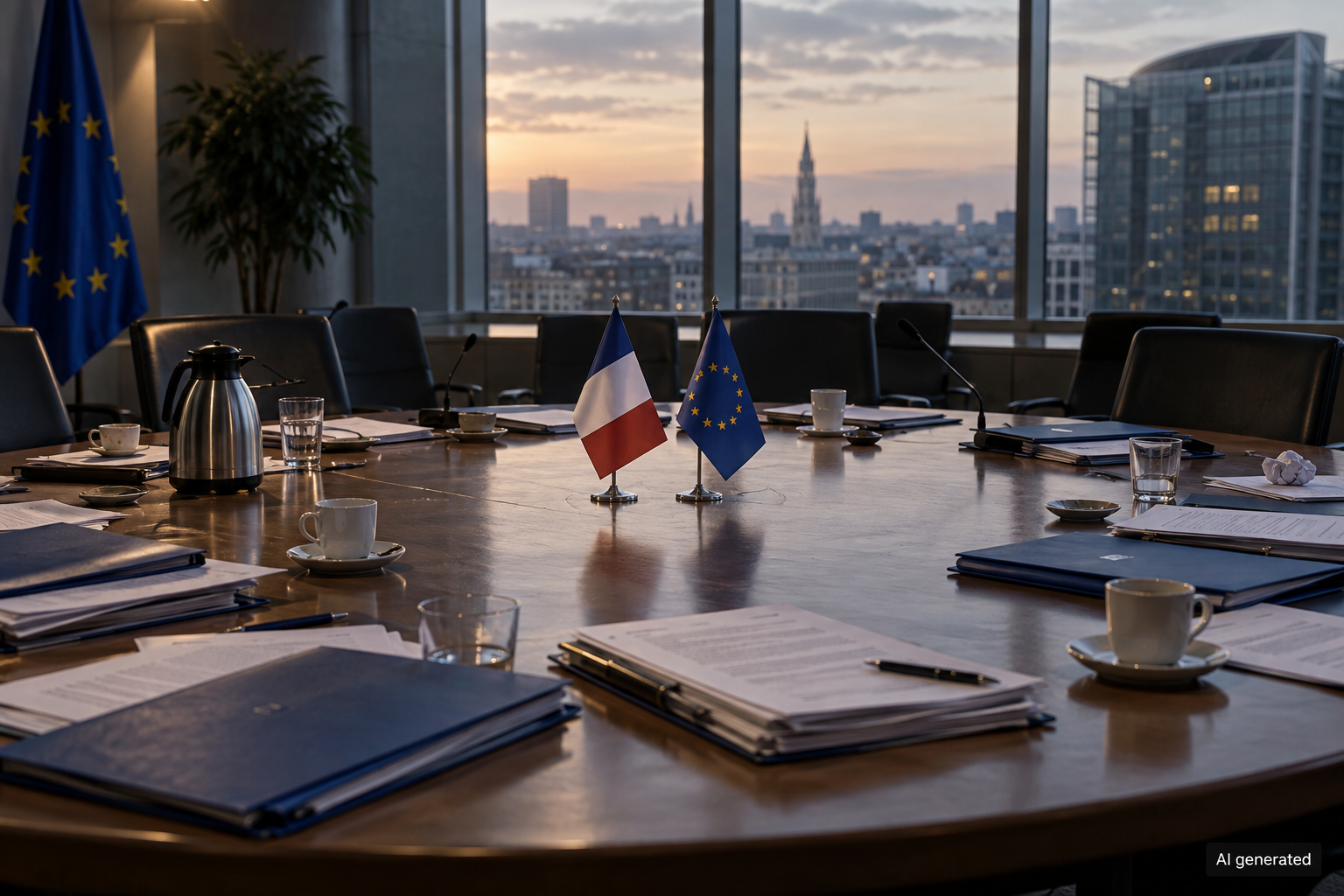
France's request to remove businessman Alisher Usmanov from the European Union's Russia sanctions list has become part of a wider negotiation over preserving restrictions on almost 3,000 other people and organisations. Reuters reported that EU envoys were due to continue talks on 22 September, after at least one government had not approved the proposed compromise the previous evening.
Under the reported proposal, sanctions on Usmanov and Mikhail Fridman would be lifted while the much larger list would be renewed for 36 months. Luxembourg sought Fridman's removal after France pressed the Usmanov case. The longer renewal would be a concession to governments worried that two delistings could weaken the signal sent by the wider regime.
A contested French rationale
France's foreign ministry has described its position on Usmanov as a national-security matter and a response to a request from partners. Reuters cited diplomats who linked the move to French nationals detained in Azerbaijan, while a senior Azerbaijani diplomat rejected that account. Because the explanation is contested and the negotiations are closed, it should be reported as diplomats' account rather than an established exchange.
The legal status of the two men also matters. The EU sanctioned both in 2022 after Russia's full-scale invasion of Ukraine. They have disputed the listings and pursued legal challenges. Delisting would not prove that the original decisions were unlawful, just as continued listing would not decide the separate court and arbitration claims.
Ukraine and several Baltic governments oppose easing the measures. The Guardian reported on 22 September that the previous day's talks had not produced a final deal and that EU foreign-policy chief Kaja Kallas stressed the need for stability and continued sanctions. Euronews had earlier documented how Luxembourg's Fridman demand complicated an existing dispute around France's position.
Why one listing can affect thousands
The structure of EU decision-making gives each government leverage because renewal requires unanimity. That can turn an individual listing into a bargaining point affecting the whole package. It also creates a policy dilemma: opponents of a delisting may still accept it if they conclude that the alternative is allowing far broader restrictions to expire.
As of this edition's publication, the safest conclusion is that negotiations are continuing and the reported compromise is not final. The important next evidence will be a formal EU decision and its legal text. Until that appears, claims that France has already secured Usmanov's removal, or that the wider sanctions have already been renewed for three years, would run ahead of the verified record.
Sources & context
Reporting and reference material used for this article. Context sources do not independently confirm every news claim.
- Reuters ↗Current diplomatic reporting on the proposed delistings, France's stated position, opposition and the 36-month compromise, published 21 September 2026
- The Guardian with agencies ↗Current reporting that no final deal was reached on 21 September and on the EU foreign-policy chief's public position, published 22 September 2026
- Euronews ↗Earlier independent reporting on Luxembourg's Fridman demand and the developing sanctions deadlock, published 18 September 2026
- Financial Times ↗Independent reporting on the political stakes of France and Luxembourg linking individual delistings to renewal of the wider EU regime
Written for WHIF from the linked material. This article does not claim on-the-ground reporting. Our editorial standards.