COP17 turns France's biodiversity promises into a test of delivery
The Yerevan summit opens with most global targets off track, putting finance, harmful subsidies and France's role in the EU position under scrutiny.
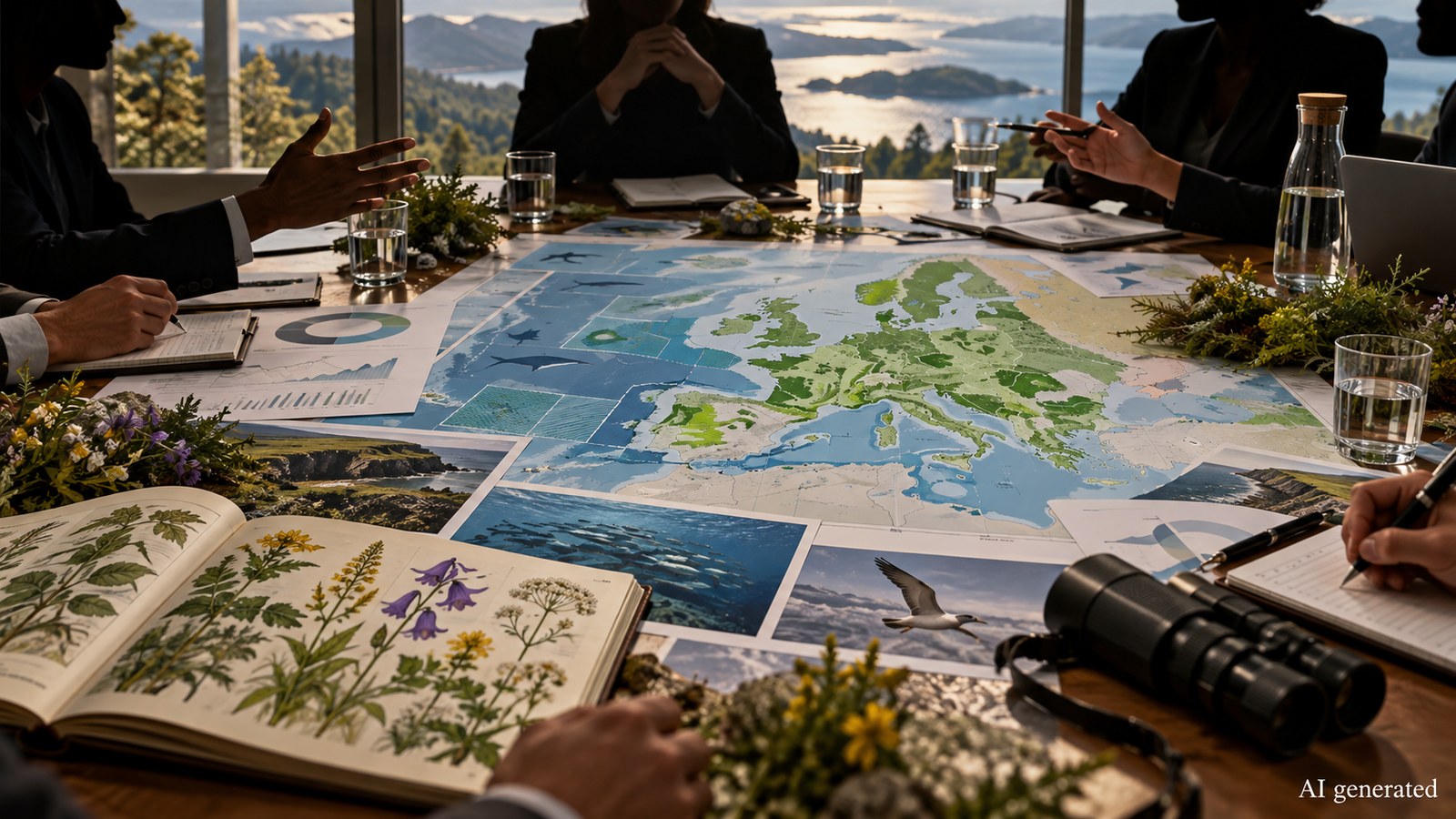
The UN biodiversity conference opened in Yerevan on 19 October with a task that is less ceremonial than previous summits: measuring whether governments are implementing the 23 targets adopted in Montreal in 2022. France participates through its national commitments and the European Union's common negotiating position.
A draft UN review seen by Reuters found the world off track on 22 of the 23 targets. The framework calls for protecting 30% of land and sea by 2030, restoring degraded ecosystems and redirecting incentives that damage nature. The Associated Press reported that total biodiversity finance remains far below the agreed $200 billion annual ambition.
France is inside the finance debate
France is co-hosting an OECD side event on biodiversity finance and incentives with Armenia, Colombia, the European Commission and the United Kingdom. That role places France close to one of the summit's hardest questions: how public money, development finance and private capital can grow without allowing accounting labels to substitute for ecological results.
The EU says it is on track to double its international biodiversity financing from €3.5 billion to €7 billion and wants Yerevan to become a conference of proof. Its position also stresses restoration and the alignment of economic policy with nature. Those are negotiating claims that the global review and later expenditure data must test.
Protected area totals are not the whole scorecard
Funding is only one part of the gap. Reuters identified pesticide use, unsustainable fishing and environmentally harmful subsidies as persistent obstacles. Governments agreed to work toward reforming at least $500 billion a year in damaging incentives, a politically difficult task because the same payments can support farming, energy or other domestic priorities.
For France, overseas territories make marine protection central to the national picture, while domestic agriculture, water management and infrastructure determine whether protection is effective in practice. A percentage of territory inside a designated area does not show by itself whether ecosystems are well managed or pressures have fallen.
COP17 runs through 30 October, so opening-day assessments should not be written as final outcomes. The indicators to watch are whether countries agree on a credible finance pathway, publish comparable implementation evidence and address harmful subsidies. France's contribution will be judged by those decisions and by what it changes at home after the delegates leave Yerevan.
Sources & context
Reporting and reference material used for this article. Context sources do not independently confirm every news claim.
- Reuters ↗Independent reporting, 19 October: draft global review, target gaps, finance dispute and harmful-subsidy challenge.
- Associated Press ↗Independent reporting, 17 October: biodiversity finance range, protection projections and the gap between pledges and delivery.
- European Commission ↗Primary EU position, 16 October: negotiating priorities, restoration goals and international-finance pledge.
- OECD ↗Primary programme source, verified 19 October: France's role in the COP17 finance and incentives event.
Written for WHIF from the linked material. This article does not claim on-the-ground reporting. Our editorial standards.