Aubagne school shooting shifts the safety debate toward prevention
A 14-year-old is in custody after two staff members were wounded at a middle school, while investigators work to establish motive and access to the weapon.
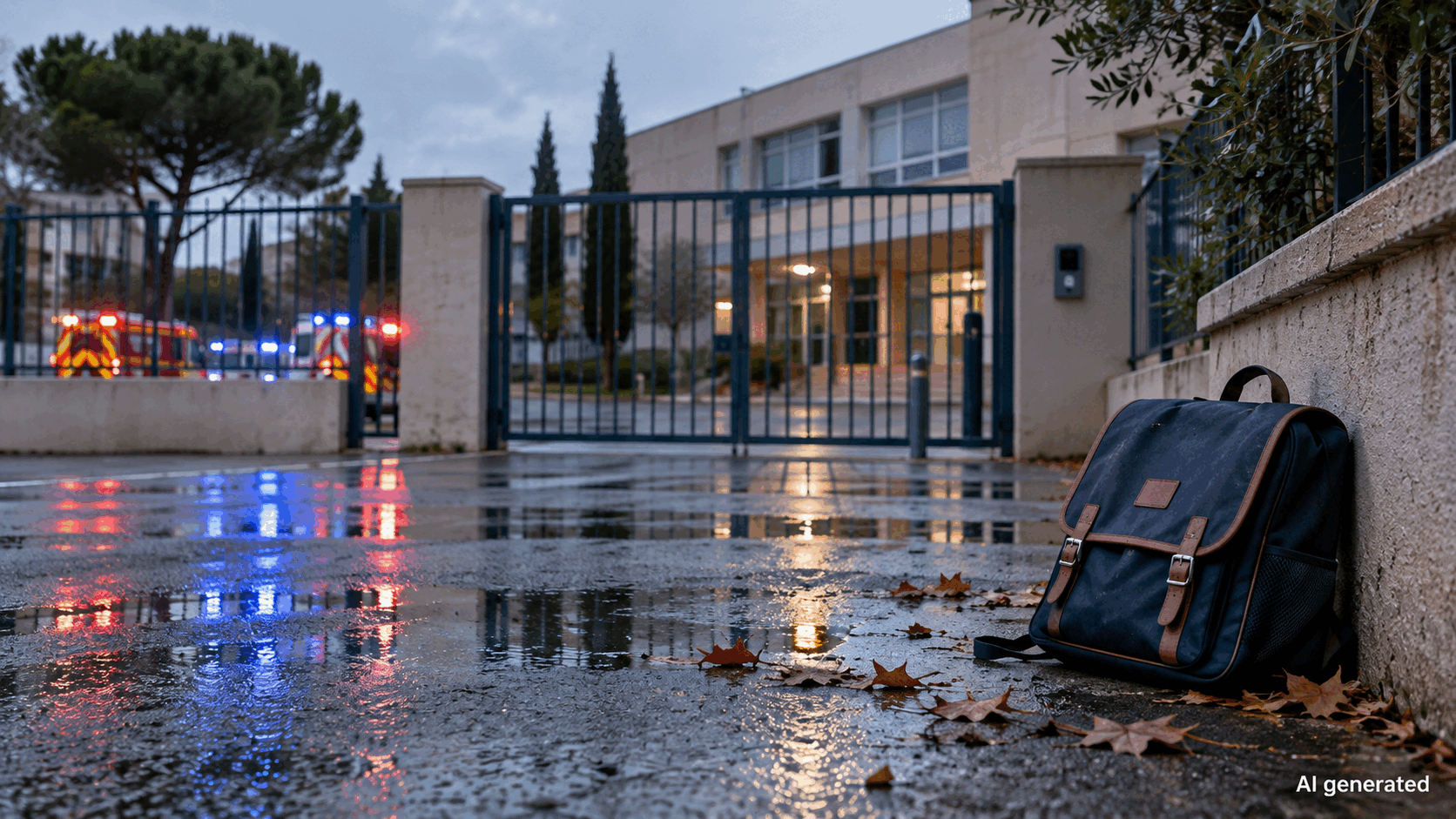
A 14-year-old pupil was detained after opening fire at Joseph-Lakanal middle school in Aubagne on 12 October, wounding the principal and a teacher. Marseille prosecutors said the two adults were struck in the lower body by pellets from a 12-gauge hunting gun. Their injuries were not considered life-threatening.
According to the prosecutor's account reported by Associated Press and Le Monde, the weapon had been concealed in a guitar case. The pupil fired on two floors and into a classroom before a member of staff disarmed him. No death was reported, and the school was evacuated while families waited for pupils to be released.
Investigators have not established a motive
The Marseille prosecutor opened an investigation for attempted murder. The precise motive had not been established by the morning of 13 October. Because the suspect is a minor and the inquiry is active, early claims about bullying, family circumstances or planning should not be treated as findings unless prosecutors confirm them.
The attack came during a wider period of unrest around French schools, but authorities and independent reports have not established a connection with the national student protest movement. Keeping those events separate is essential. A criminal investigation into one pupil cannot by itself explain or discredit a movement involving thousands of other students.
A staff intervention limited the harm
The immediate response also matters. A staff member stopped the shooting before police detained the suspect, and the city opened psychological support for pupils and staff. Aubagne's municipal statement confirmed the injuries and the local emergency response, while national officials praised school personnel.
France has experienced serious knife attacks in schools, yet shootings carried out by pupils remain rare. That rarity does not remove the practical questions raised here: how a firearm reached a child, whether warning signs were known, how staff are trained for an armed emergency and what support the school community receives after evacuation.
The responsible next step is evidence, not a rush to a national template. Prosecutors must establish the weapon's origin and the sequence of events. Education authorities can then review access controls, reporting systems and crisis procedures without presenting the exceptional act as a complete diagnosis of French schools.
Sources & context
Reporting and reference material used for this article. Context sources do not independently confirm every news claim.
- Associated Press ↗Independent reporting, 12 October: prosecutor's account, injuries, weapon, arrest and staff intervention.
- Reuters ↗Independent breaking-news corroboration, 12 October: location, two wounded staff members and detention of a pupil.
- Le Monde ↗Independent local reporting, 13 October: evacuation, sequence inside the school and the continuing investigation.
- City of Aubagne ↗Primary municipal source, 12 October: confirmed local response, injury information and support for the school community.
Written for WHIF from the linked material. This article does not claim on-the-ground reporting. Our editorial standards.