World With Women asks France to measure work by making it stop
The 13 October mobilisation calls on women to pause paid work, domestic labour and consumption, using absence to make unequal contributions visible.
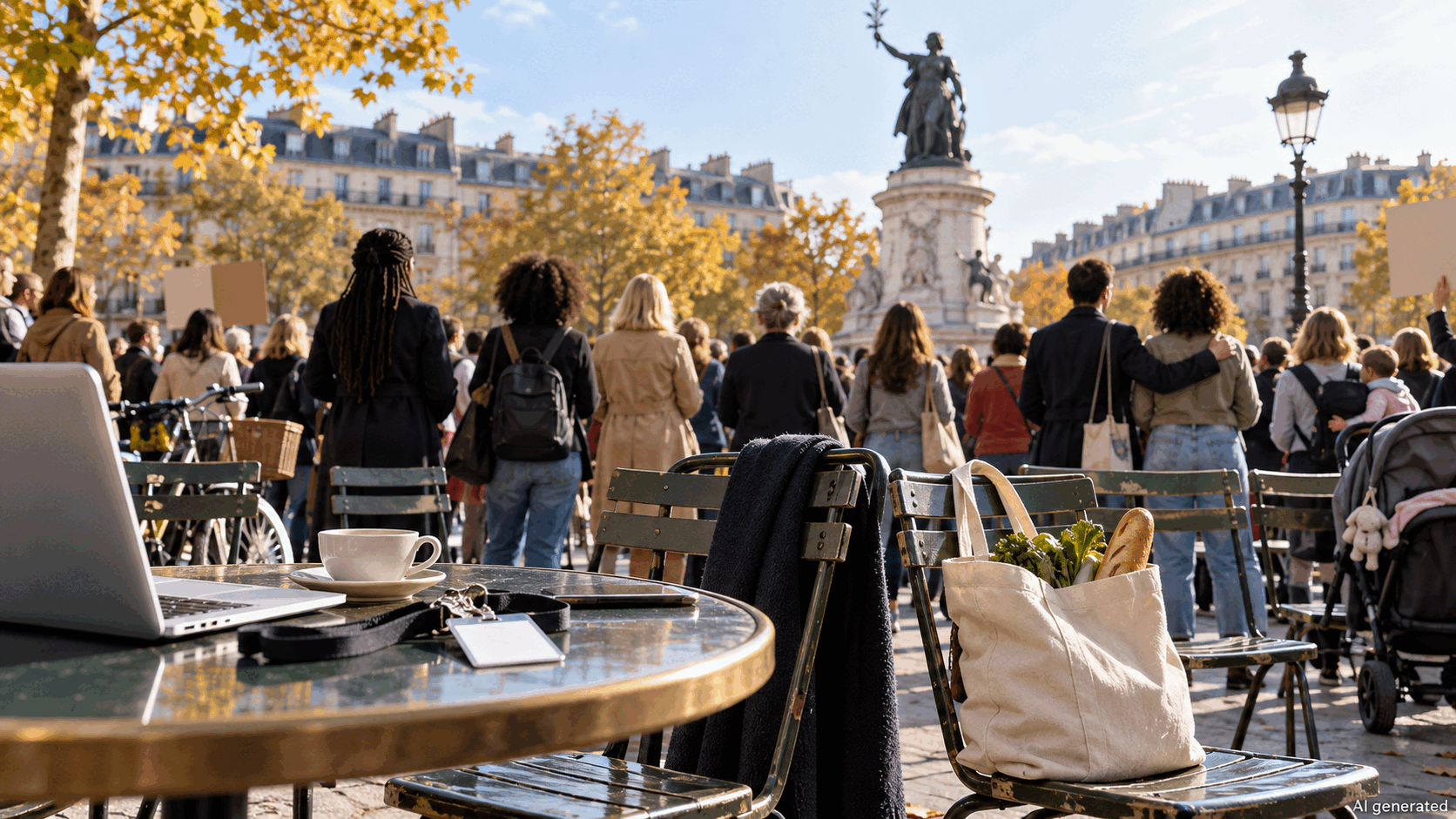
World With Women has called on women who can participate to suspend paid work, domestic activity and shopping for 24 hours on 13 October. A gathering is scheduled at Place de la Bastille in Paris from 11:30, alongside local events and online participation. The call is an organised mobilisation, not evidence that a particular number of people have stopped work.
The movement presents absence as a way to make women's contribution visible across employment, care, volunteering and consumption. Its reference point is Iceland's 1975 women's day off, but the French event operates in a different legal, economic and political setting. Comparisons should explain the inspiration without assuming the same turnout or result.
A French action inspired by Iceland, not a copy of it
World With Women describes itself as non-partisan and non-religious. Its published measures include stronger action against sexual violence, gender balance in decision-making and changes to how unpaid work and equality are recognised. The City of Paris lists the Bastille gathering, while TV5Monde documented the movement's public launch earlier in 2026.
The wording, women who can, is important. Many employees cannot leave work without formal strike protection or lost pay. Carers may be unable to pause responsibility for children, older people or disabled relatives. Low-income households may also have little freedom to delay essential purchases. Those constraints are part of the inequality the action seeks to reveal, but they also limit who can participate visibly.
Participation is constrained by work and care
This is therefore not identical to a union-led general strike. Participants need to check workplace rules and any union notice that applies to them. Employers and public services should not infer that an online pledge establishes a lawful absence, while observers should not treat quieter workplaces or shops as a reliable turnout count.
The mobilisation can still create a useful public test. Institutions that endorse equality can publish pay gaps, promotion data, board representation, care policies and procurement choices. Families and workplaces can also examine who performs tasks that disappear from view because they are routine or unpaid.
The event's value will be clearer after organisers disclose participation methods and concrete follow-up. A day of visibility can open a debate, but lasting change depends on legislation, collective bargaining, budgets and measurable organisational decisions. WHIF will distinguish those later outcomes from today's call to act.
Sources & context
Reporting and reference material used for this article. Context sources do not independently confirm every news claim.
- World With Women ↗Primary organiser source, accessed 13 October: 24-hour action, stated purpose and participation framing.
- City of Paris ↗Primary municipal event listing: date, Bastille location and public gathering time.
- TV5Monde Terriennes ↗Independent reporting and interview, 5 April: movement launch, international ambition and equality focus.
- Le Mémento ↗Independent local reporting, 8 October: national mobilisation format and public participation plans.
Written for WHIF from the linked material. This article does not claim on-the-ground reporting. Our editorial standards.