UNESCO backs a youth call for a place in decision-making
A proposal drafted by 145 young representatives has moved from consultation to endorsement. Its test will be public follow-through.
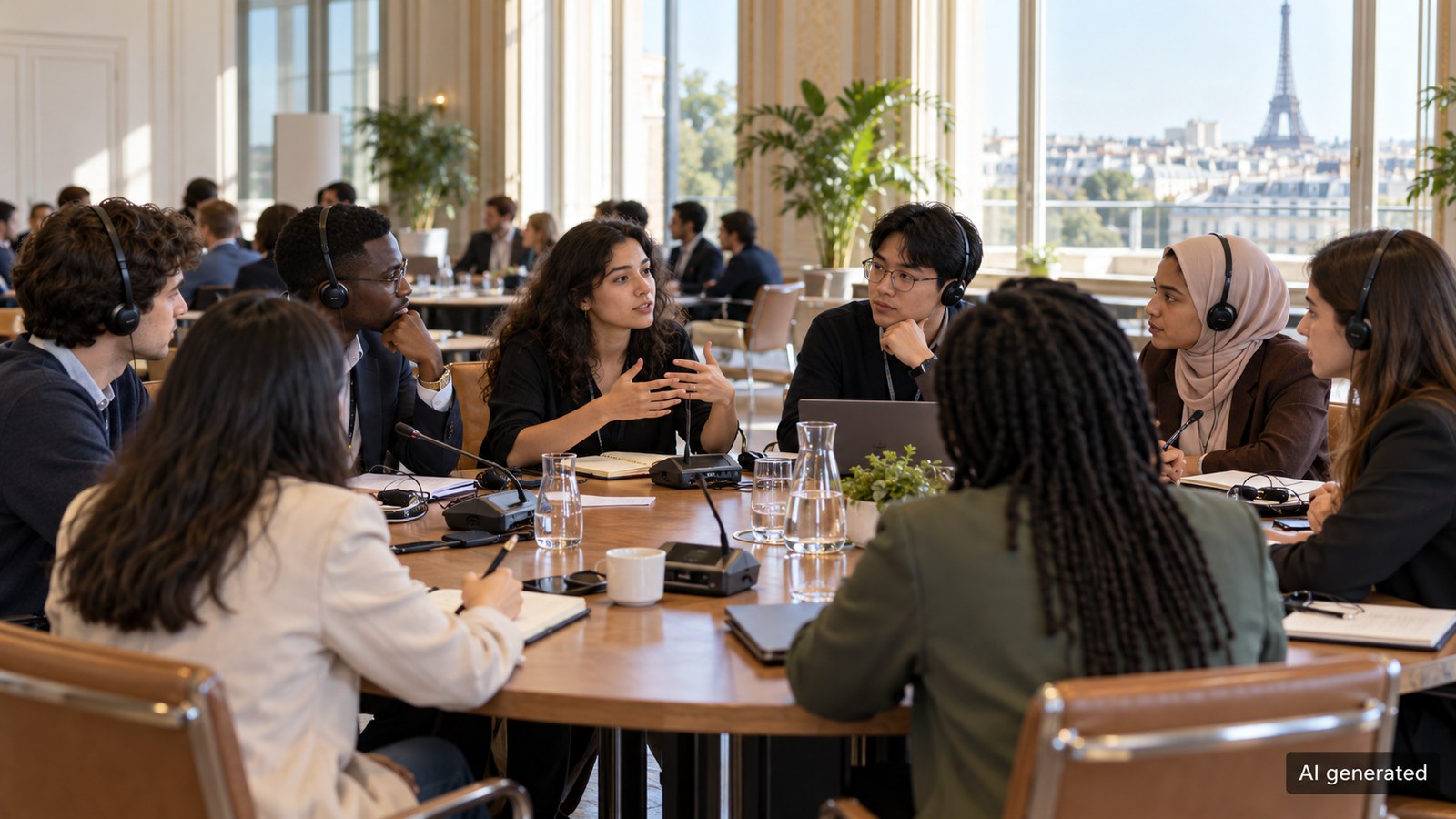
UNESCO's Executive Board has endorsed a youth-drafted call for greater participation in decision-making, conflict prevention and mediation. France welcomed the decision on 20 October. The text was developed over the summer by 145 young representatives from 135 countries and presented in Paris in early September.
The timing gives the endorsement particular relevance in France, where student-led demonstrations have focused attention on whether young people can influence decisions about education, public services and budgets. Reuters connected the UNESCO vote to that domestic context. The initiative is global, however, and should not be reduced to a response to one French protest cycle.
What the call asks for
UNESCO's September account says the proposals span inclusive education, climate action, open science, ethical artificial intelligence, cultural heritage and access to reliable information. The French Foreign Ministry says participants also asked for representation in decision bodies and public mechanisms to monitor how recommendations are implemented.
Digital policy is one concrete next step. According to France Diplomatie, the Executive Board launched a process intended to produce a 2027 recommendation on protecting young people in digital environments during the age of AI. That is a work programme, not a completed international rule or a binding national law.
Endorsement is the starting point
The distinction between consultation and power will determine whether the initiative changes institutions. Inviting young people to a forum can widen the range of experience heard. It does not by itself give them a vote, a budget or authority over implementation. Public tracking could make that gap visible.
UNESCO describes the call as part of its UNESCO80 reform agenda. It also frames youth as a global priority group. Those statements establish institutional intent; they do not measure how many seats, programmes or resources will follow. Future reporting should look for named bodies, selection rules and published progress rather than celebratory language alone.
Source access note: Reuters supplied current reporting and the French context. UNESCO and France Diplomatie were consulted as primary sources for the proposal's origin, scope and formal endorsement. A separate peace-network page reproduced UNESCO material, so it was used only as contextual access to the call, not as independent corroboration.
Sources & context
Reporting and reference material used for this article. Context sources do not independently confirm every news claim.
- Reuters: France backs the UNESCO youth initiative ↗Reporting: 20 October endorsement and French student-protest context
- UNESCO: Young Leaders Call for a New Culture of Peace ↗Primary organiser material: participants, September presentation and policy scope
- France Diplomatie: UNESCO endorsement ↗Primary national statement: endorsement, monitoring request and 2027 digital-safety process
- Culture of Peace News Network: text of the call ↗Context copy: reproduced UNESCO material consulted for the call's language; not independent reporting
Written for WHIF from the linked material. This article does not claim on-the-ground reporting. Our editorial standards.