Trappes vigils turn grief into a national argument about racism
Gatherings across France and new local marches mark a second phase after the 23 October attack. The tributes share a demand for solidarity while exposing disputes over representation and political responsibility.
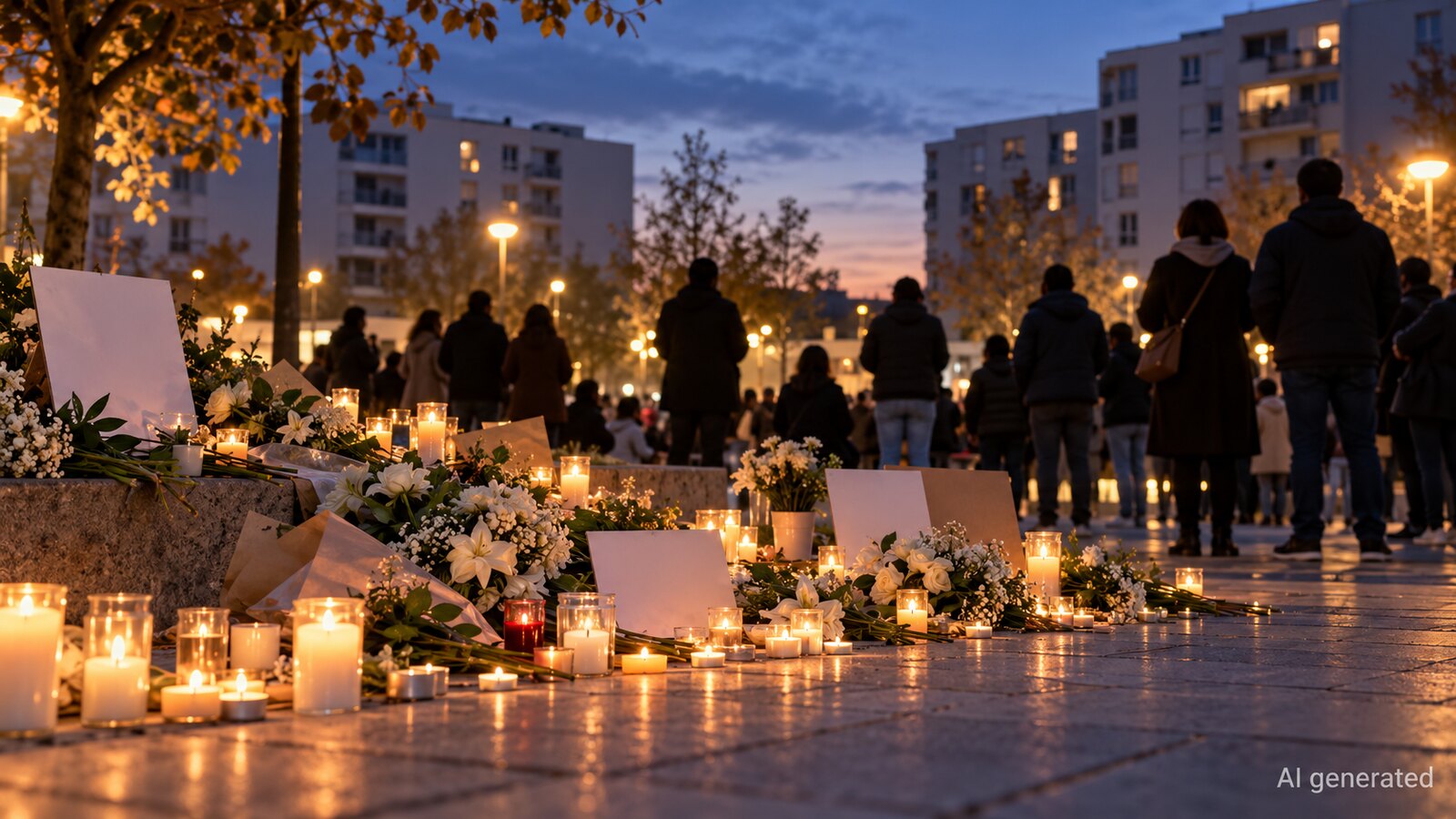
Tributes after the 23 October shootings in Trappes and La Verrière have expanded into a national civic response. Le Monde reported gatherings across France on 26 October, while Le Parisien said the Paris rally drew about 3,000 people and that further marches were planned in La Verrière on 28 October and Trappes on 30 October.
The events commemorate Pengo Bossio Wangi, the 26-year-old man killed in the attack, and support those wounded. They are also framed by organisers as a rejection of racist hatred. That makes the vigils both memorial and political, but participants do not agree on who should speak for the victims or how responsibility should be assigned.
A common tribute, different political readings
Le Monde described tensions between grassroots activists, established anti-racism organisations, unions and political figures at the Paris gatherings. Shared condemnation of the violence coexisted with disagreement about whether institutions have confronted anti-Black racism and Islamophobia adequately. Reporting that disagreement is not evidence that the vigils lacked a common purpose. It shows that grief can create a public forum without producing one analysis.
The local marches have a different responsibility. Organisers quoted by Le Parisien asked political speakers to remain restrained, reflecting an effort to keep attention on the victims and residents. The National Assembly also observed a minute of silence on 27 October. These are dated public acts of tribute, not findings about criminal motive or guilt.
Public mourning and the criminal case are separate
The judicial investigation remains separate. The National Anti-Terrorism Prosecutor's Office is examining murder and attempted murder in connection with a terrorist enterprise, including an aggravating circumstance related to the victims' real or supposed race, ethnicity, nationality or religion. Associated Press reported the opening of that inquiry after the attack. The suspect remains presumed innocent, and the legal characterisation must be tested through evidence.
That separation matters because public language has moved quickly. Vigils can name the fear and anger experienced by communities while investigators continue to establish target selection, intent, criminal responsibility and the suspect's mental state. Neither process should be used to erase the other.
What makes this a new phase
The new marches are a meaningful development beyond the first reports of the shootings. The story is now also about how France mourns, which organisations residents trust and whether calls for unity can coexist with criticism of political rhetoric. The immediate practical priority remains support for victims and witnesses. The longer test is whether the response produces durable protection and accountability after the candles are gone.
Sources & context
Reporting and reference material used for this article. Context sources do not independently confirm every news claim.
- Le Monde: national tributes and political divisions ↗Independent reporting: gatherings, participants and disagreements, published 27 October 2026.
- Le Parisien: new marches in La Verrière and Trappes ↗Independent local reporting: dates, organiser guidance and attendance context, published 27 October 2026.
- Associated Press: initial attack and prosecutor's investigation ↗Independent context: confirmed attack details and scope of the investigation, published 23 October 2026.
- TF1 Info: parliamentary minute of silence ↗Independent reporting: institutional tribute and its timing, published 26 October 2026.
Written for WHIF from the linked material. This article does not claim on-the-ground reporting. Our editorial standards.