Teddy Riner enters France's 2027 presidential race
The five-time Olympic judo champion has made a surprise bid for the Elysée, but he still faces the 500-sponsorship test before reaching the ballot.
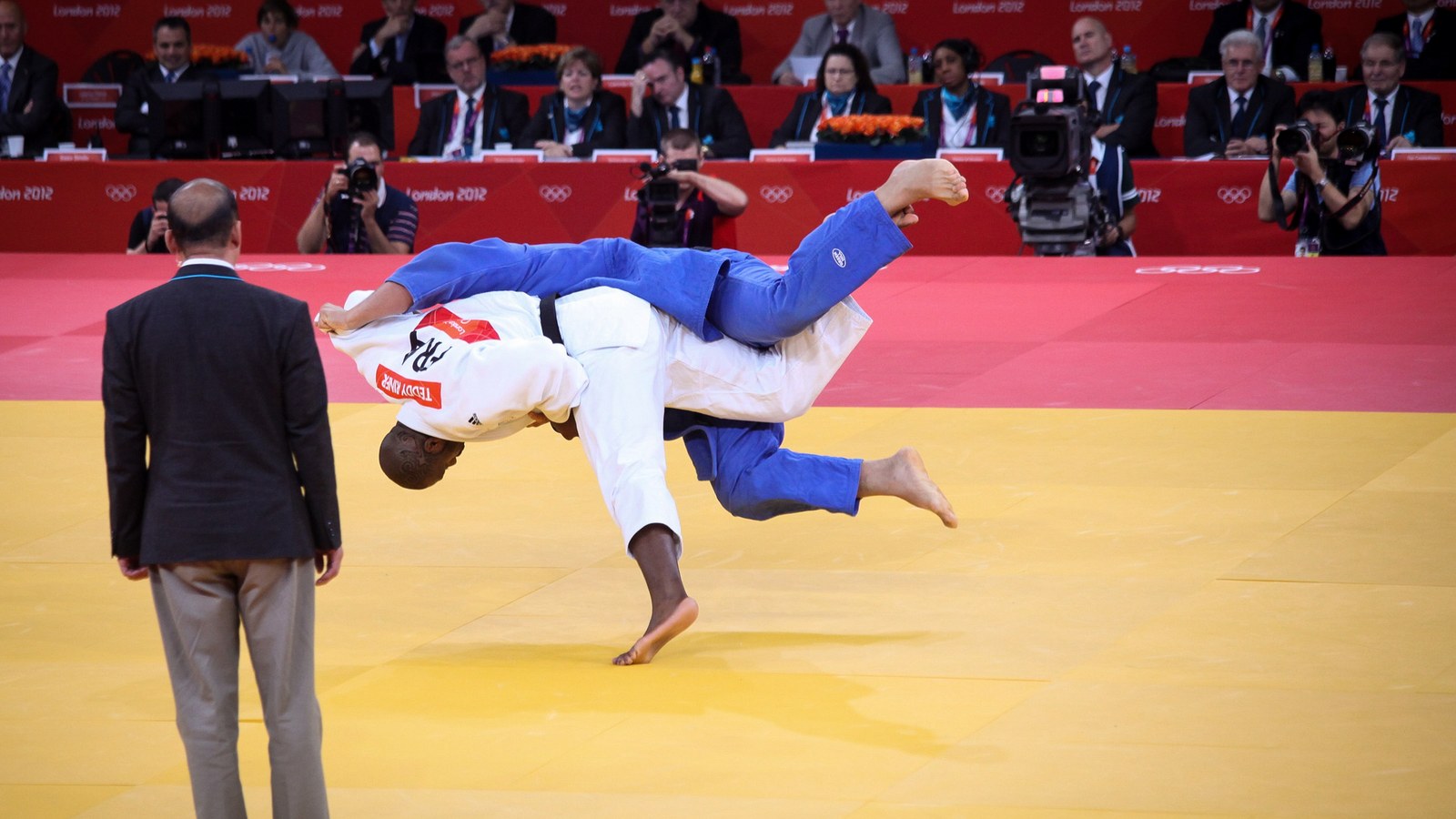
Teddy Riner has declared that he will run in France's 2027 presidential election, turning one of the country's best-known athletes into an unexpected political candidate. The 37-year-old announced his decision in an interview and video published by Le Parisien on 9 November. He presented himself as neither right nor left and said he wanted to be a president who unites the country.
Riner enters politics with exceptional name recognition from judo. He is a five-time Olympic gold medallist, including three individual titles, and has long been a prominent public figure beyond sport. Familiarity, however, is not an electoral programme. His launch outlined themes of unity and national recovery, while detailed positions on taxation, public services, Europe and foreign policy remain to be tested.
The 500-signature test comes first
The first practical hurdle is institutional. Presidential candidates need 500 endorsements from elected officials drawn from at least 30 departments or overseas territories. Public Sénat noted that Riner joins an already crowded field and will have to build a political network quickly enough to collect those signatures before the official deadline.
His announcement was surprising, although it did not arrive without hints. Riner had previously spoken about public service and the possibility of political engagement after his sporting career. That background shows an interest in public affairs, but it does not establish the organisation, financing or territorial support needed for a national campaign.
Recognition is not yet electoral support
Associated Press described the bid as a dramatic entry into a fragmented contest. The news itself is verified, but its electoral effect is not. No reliable polling published with the announcement establishes how many voters would support him, and celebrity recognition should not be treated as evidence of a viable route to the second round.
The candidacy also raises a familiar question about moving from elite sport to government. Athletic success can demonstrate discipline and public communication, yet the presidency requires positions on complex trade-offs and command of institutions. Riner's campaign will be judged on the team he assembles, the policies he publishes and his ability to answer scrutiny outside his established field.
A declaration, not a place on the ballot
For now, the defensible conclusion is narrow: Riner is a declared candidate, not yet a qualified name on the ballot. The next meaningful evidence will be endorsements, a campaign structure and a detailed platform. Until those emerge, forecasts about a political upset remain speculation rather than reporting.
Sources & context
Reporting and reference material used for this article. Context sources do not independently confirm every news claim.
- Le Parisien ↗Original reporting and interview, published 9 November 2026: Riner's declaration, campaign framing and launch statements.
- Associated Press ↗Independent reporting, published 9 November 2026: corroboration of the candidacy, sporting record and political context.
- Public Sénat ↗Independent French political reporting: crowded field, 500-endorsement requirement and earlier indications of political interest.
Written for WHIF from the linked material. This article does not claim on-the-ground reporting. Our editorial standards.