Thirty destinations join France's new cycling tourism programme
The first selection ranges from Paris and Strasbourg to mountain and coastal territories, with promotion and networking at its core.
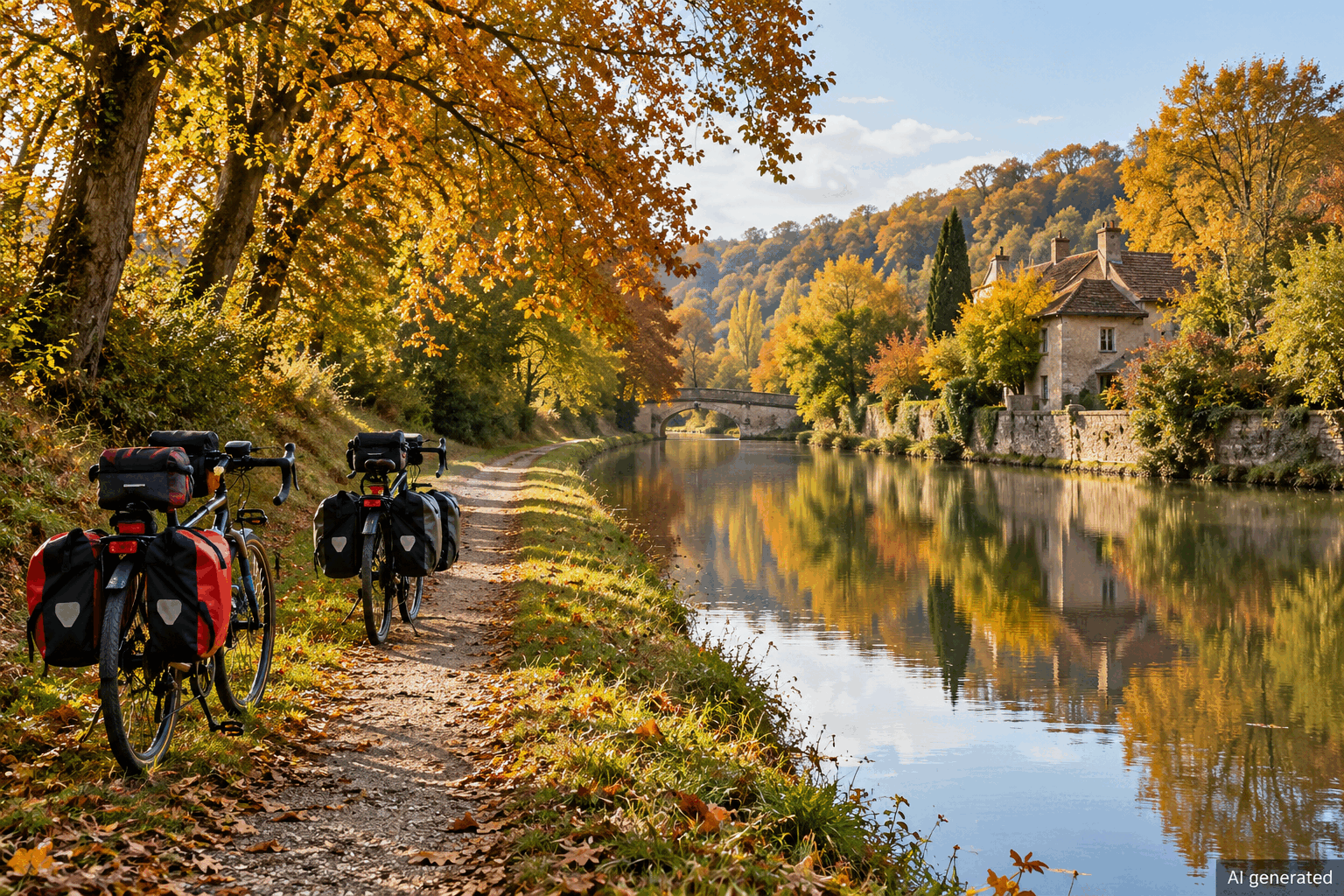
Thirty territories have been selected for the first Destinations France à vélo programme. Réseau vélo et marche says the winners were unveiled in Nancy on 1 October; a government release followed on 2 October. The scheme promotes places that make cycling central to their visitor offer, rather than identifying only established long-distance routes.
The network says 80 applications arrived in less than three months after the call opened on 30 April. The selected destinations will receive national and European visibility for two years. Those figures describe the selection process and intended support, not the number of new routes built or visitors already attracted.
Cities, coasts and mountain territories
The geography is deliberately varied. The published list includes Paris, Strasbourg, Nantes and Angers alongside the Baie de Somme, Morvan, Tourmalet Pic du Midi and Ventoux. A city break with short rides, a mountain trip and a touring holiday can all belong to the programme without offering the same terrain or requiring the same experience.
The original Direction générale des Entreprises call explains the intended benefits: communication material, promotion with Atout France, meetings between destinations and links with relevant service providers. It gives the initiative a practical business purpose, helping local tourism organisations present a coherent offer and share experience.
What the figures do and do not measure
The government release cites estimated annual direct economic benefits of €5 billion and 33,800 jobs for cycling tourism, drawing on a 2024 sector update. Those are estimates for the wider activity, not money awarded to these 30 winners or employment created by this announcement. The distinction prevents a promotional label from being mistaken for a new funding allocation.
For travellers, the list is a starting point for choosing an area, not a route-level safety assessment. Distance, gradients, surfaces, bicycle carriage and accommodation still require local checks. The programme's recognition cannot establish that a particular ride is suitable for every family or open in every season.
The three consulted pages come from the government and participating network, so this is an explanation of the programme rather than an independent ranking of destinations. Its promise is better visibility and coordination. Whether visitors experience more useful services will become clearer as the selected territories put that support into practice.
Sources & context
Reporting and reference material used for this article. Context sources do not independently confirm every news claim.
- Ecological Transition and Tourism ministries ↗Primary release, 2 October: selected territories, support and wider sector estimates based on a 2024 update.
- Réseau vélo et marche ↗Programme partner: 1 October announcement, application count, winner list and two-year visibility period; not independent evaluation.
- Direction générale des Entreprises ↗Primary programme context: original call, eligible practices and promised services. Government source, not additional independent corroboration.
Written for WHIF from the linked material. This article does not claim on-the-ground reporting. Our editorial standards.