A rural café bill tests how France can revive village centres
Senators are debating easier Licence IV creation in small communes. The proposal removes some barriers but leaves health and business rules intact.
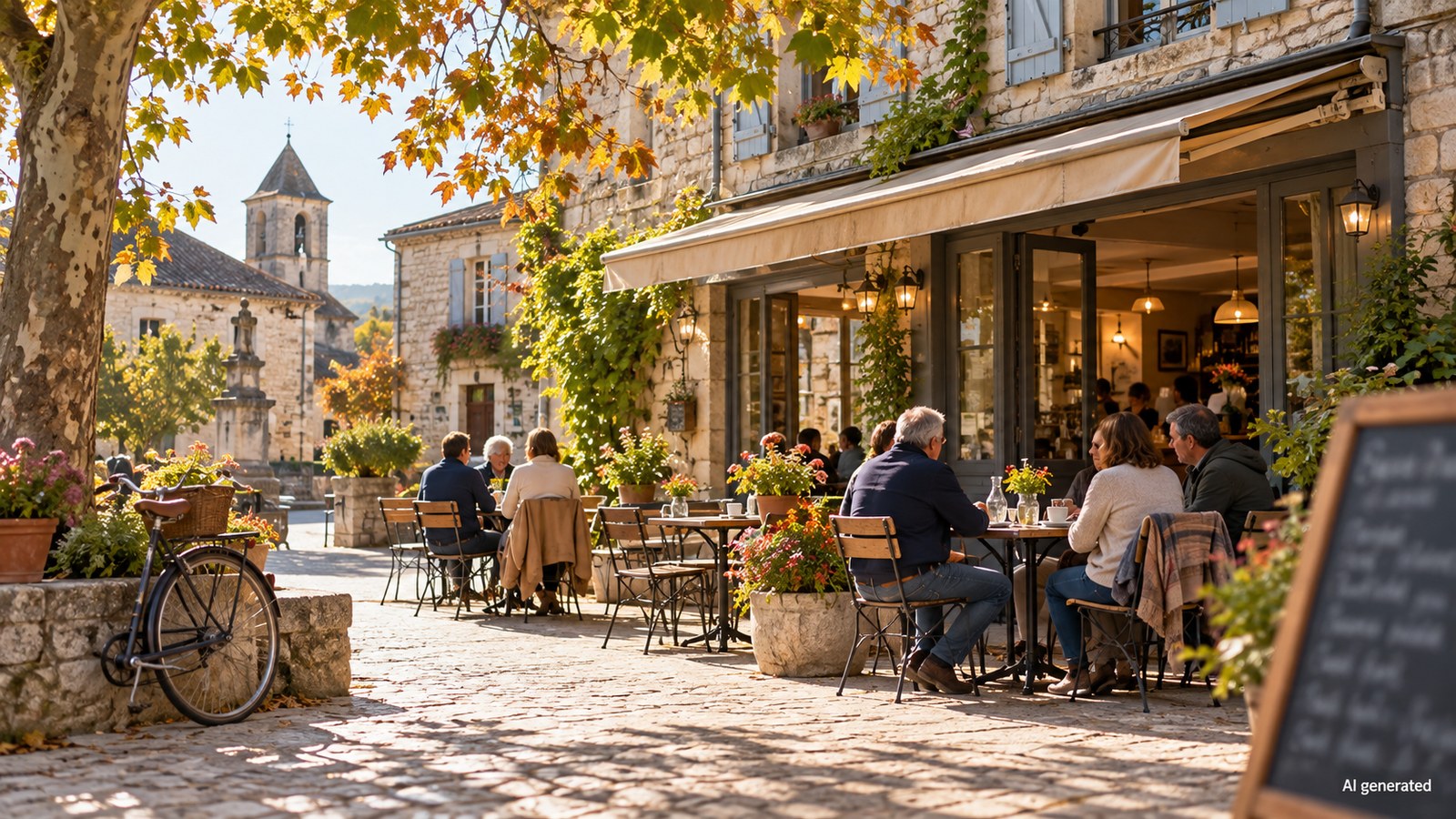
The French Senate is due to debate a bill on 22 October that would make it easier to open a fully licensed café or bar in some rural communes. The proposal targets municipalities with fewer than 3,500 residents and responds to the long decline of cafés as everyday meeting places in village centres.
A Licence IV permits an establishment to sell all legally marketable categories of alcoholic drink for consumption on the premises. Under current general rules, new licences are tightly restricted and operators often have to buy and transfer an existing one. A temporary rural exception created in 2019 expired after three years.
What the Senate text would change
The Senate Social Affairs Committee changed the bill before the public debate. Its text would allow a new Licence IV in a commune with no more than one existing establishment in that category. It replaced prior approval by the mayor with a declaration, while keeping the new licence tied to the commune so it could not later be moved elsewhere.
The bill's supporters present cafés as local infrastructure as much as hospitality businesses. The Senate's briefing says France had about 200,000 cafés and bistros in 1960 and 35,000 in 2023. The precise series varies across parliamentary documents, but every version points to a steep long-term fall. A reopened café can support a shop, postal counter, community event or visitor service in a place with few alternatives.
A licence is permission, not a business plan
The proposal does not remove the rest of the operating framework. Service-Public states that an operator still needs the appropriate training permit, must make the required declaration before opening and remains subject to rules on alcohol sales, minors, public order and local hours. A restaurant serving alcohol only with meals uses a different licensing route.
Nor does a licence guarantee a viable café. Rent, staffing, energy costs, seasonality and the size of the local customer base remain decisive. Public programmes can help fit out a multi-service venue, but ongoing trade must cover operating costs. The measure is best understood as removing one regulatory obstacle rather than funding a network of new premises.
Source access note: the Senate's plain-language briefing and committee report were consulted as primary legislative material. Vie-publique provided an independent public-service chronology of the proposal, and Service-Public was used for the current operating rules. The article describes the committee text before the 22 October debate; amendments or a later vote may change it.
Sources & context
Reporting and reference material used for this article. Context sources do not independently confirm every news claim.
- French Senate: rural drinks-licence bill explained ↗Primary legislative source: scope, committee changes and 22 October debate
- French Senate: Social Affairs Committee report ↗Primary legislative analysis: existing constraints, rationale and committee text
- Vie-publique: chronology of the rural bistro bill ↗Public-policy context: earlier Assembly text and legislative chronology
- Service-Public: drinks-licence rules ↗Primary operating context: licence categories, declarations, transfers and training
Written for WHIF from the linked material. This article does not claim on-the-ground reporting. Our editorial standards.