France's festival barometer finds resilience under strain
A provisional 2026 survey says most music and comedy festivals faced difficulties, while one in ten respondents doubts it will return next year.
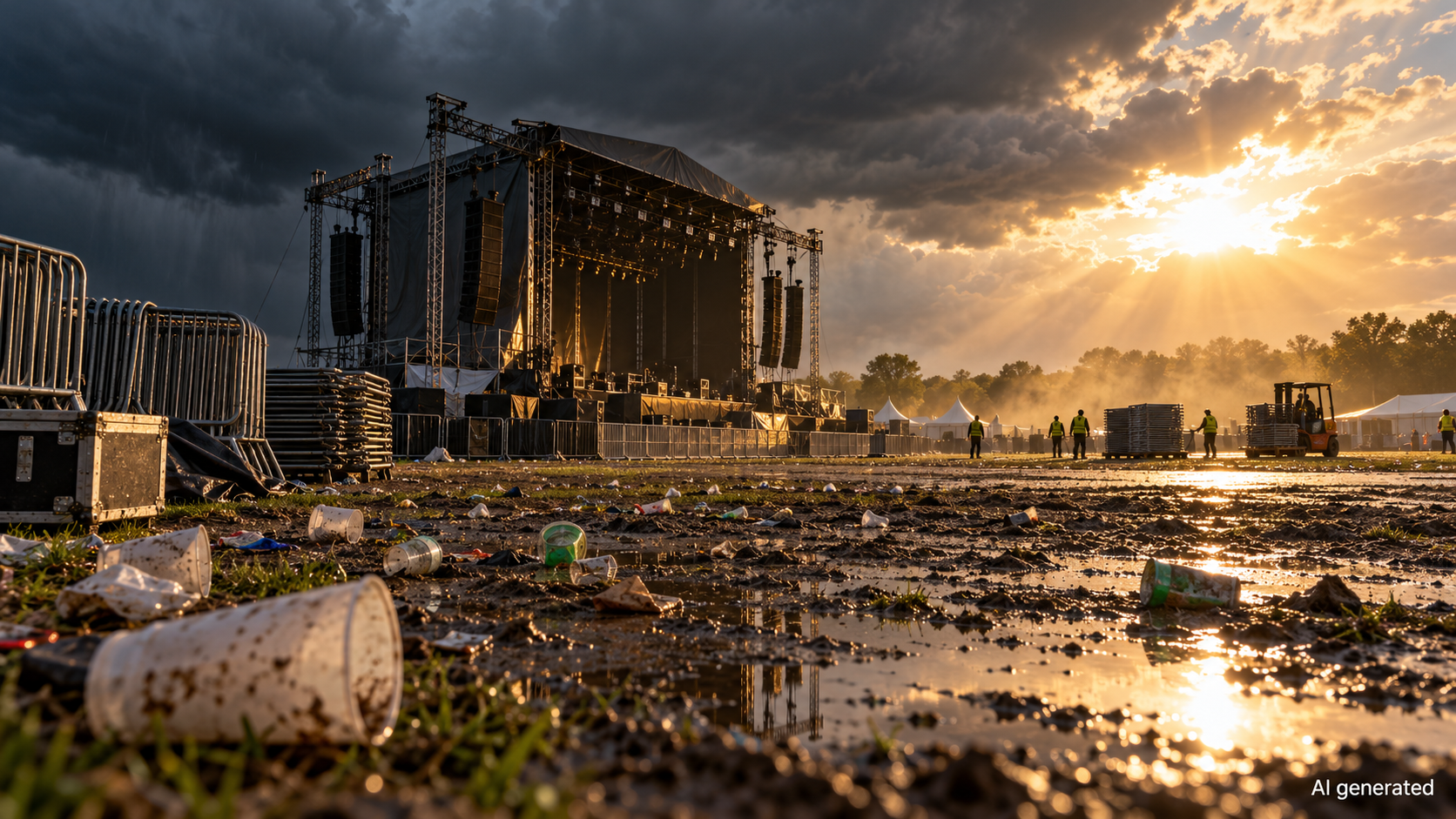
France's provisional 2026 festival survey describes a sector still operating at scale but increasingly unsure about its next season. The Centre national de la musique and Culture Ministry presented the results at the MaMA convention on 15 October after consulting music and comedy festivals held from January through August.
The Syndicat des Musiques Actuelles says 91% of respondents reported difficulties, up from 80% in the previous provisional survey. Ten percent said their festival probably would not take place next year, while another 8% could not yet say. These are responses to a survey, not a confirmed cancellation list.
Emergency finance is becoming part of the operating model
Financial pressure appears in the coping strategies. According to the union's summary, 24% sought exceptional private or philanthropic support, 19% requested an exceptional subsidy, 15% pursued a loan and 9% launched crowdfunding. Several festivals also adjusted duration, stages or programming rather than ending outright.
Weather adds an operational risk that normal budgeting can underestimate. Le Monde reported that heat and other climate conditions complicated the 2026 season alongside rising production expenses. A disrupted event can lose ticket, food and bar revenue while still carrying artist, staffing, security and equipment costs.
A provisional survey needs a careful denominator
The evidence has limits. The CNM says the provisional results cover usable responses from festivals that normally take place in the first eight months of the year. Later autumn and winter events are not yet represented, and organisations under the greatest stress may answer differently from those with more capacity.
Nor does one national percentage describe every model. A free municipal festival, a ticketed rock weekend and a touring classical programme have different revenue, weather exposure and public support. The barometer is most useful for identifying repeated pressures, not ranking individual management or artistic choices.
The policy question is how to preserve access and creative risk without turning emergency aid into a permanent substitute for viable planning. More complete data should show which cost increases, climate adaptations and audience changes matter most. Until then, the strongest finding is caution: many festivals delivered a 2026 edition, but a meaningful minority cannot yet promise another.
Sources & context
Reporting and reference material used for this article. Context sources do not independently confirm every news claim.
- Centre national de la musique ↗Primary survey release, 15 October: methodology, provisional scope and reported programme changes.
- Syndicat des Musiques Actuelles ↗Partner summary, 16 October: difficulty rate, return uncertainty and emergency-finance responses.
- Le Monde ↗Independent reporting, 15 October: financial strain, climate disruption and sector interpretation.
- French Culture Ministry ↗Primary policy context, accessed 17 October: national barometer programme and government adaptation framework.
Written for WHIF from the linked material. This article does not claim on-the-ground reporting. Our editorial standards.