French live-music group escalates its fight against fake tickets
Ekhoscènes says it has launched more than 50 legal actions after fraud around major concerts, while consumer guidance points buyers toward authorised sellers.
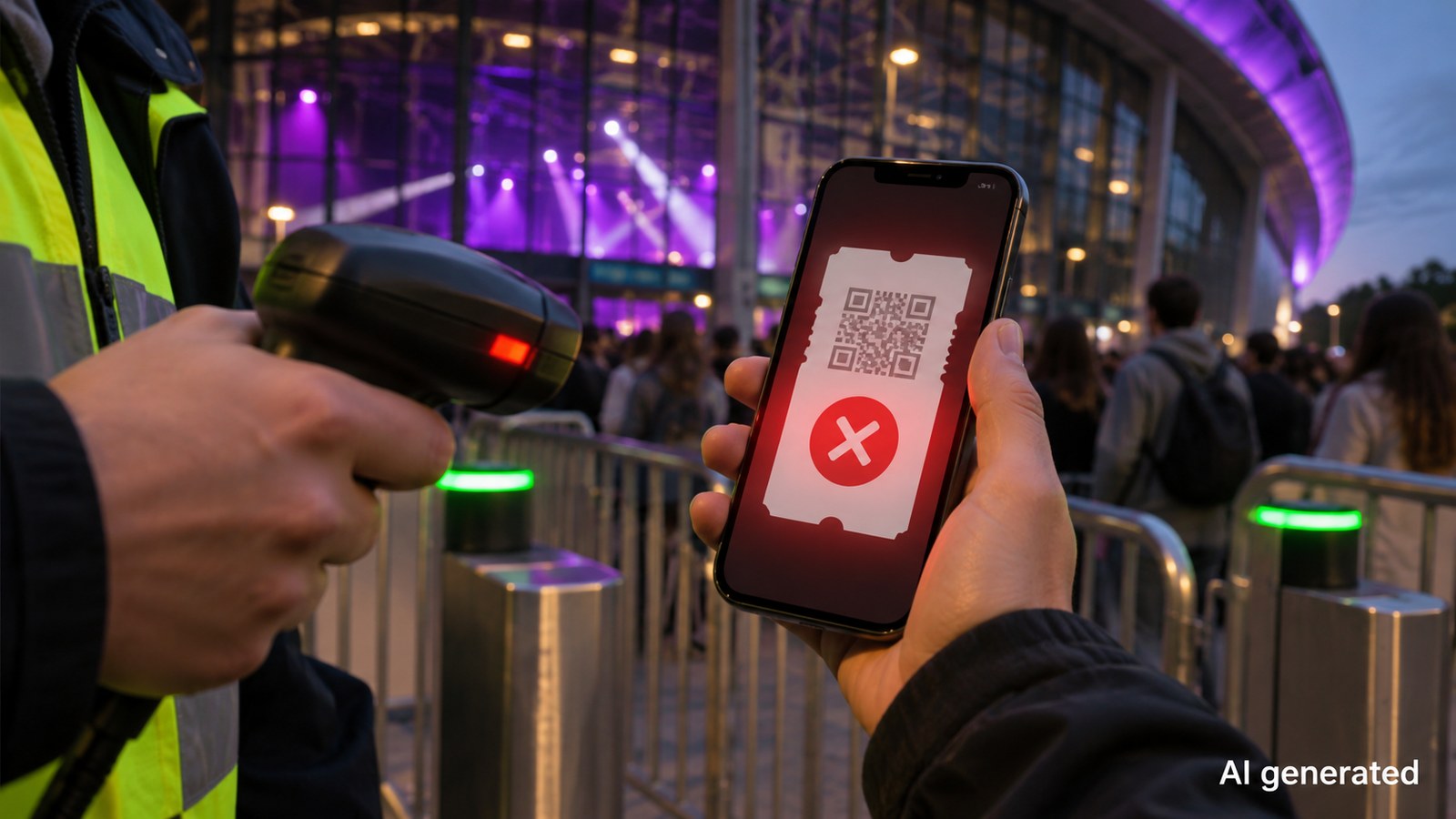
French live-music trade group Ekhoscènes says it has launched more than 50 legal actions over fraudulent concert-ticket sales, following complaints linked to major events including Céline Dion's Paris run. The cases target alleged fake, copied or nonexistent tickets and parts of the resale ecosystem. They are allegations and legal actions, not court findings of liability.
Le Monde reported that the group is challenging sellers and platforms, including Viagogo and Ticombo, and has complained to Arcom about Meta's role in circulating advertisements. Le Parisien separately described buyers arriving with invalid tickets for heavily demanded shows. A complaint to a regulator does not mean the regulator has accepted the legal argument or imposed a sanction.
Fraud is not the same as every resale
The problem is broader than ordinary resale. A genuine ticket may be unlawfully resold in a habitual commercial business without the organiser's authorisation, while a fake QR code or a ticket sold repeatedly can leave every later buyer outside the venue. Different conduct can create different criminal, consumer and contractual issues.
French law prohibits the habitual unauthorised resale of admission tickets for profit. Article 313-6-2 of the Penal Code provides fines and higher penalties for repeat offences. The rule does not make every occasional transfer between individuals a crime, so buyers should distinguish the organiser's authorised exchange from an anonymous or professional-looking secondary listing.
What French law and consumer guidance say
The consumer-protection authority, DGCCRF, advises using the venue, organiser or an authorised distributor and checking whether an official resale platform exists. Buyers should be wary of pressure to pay quickly, prices that appear implausible and sellers who will not provide verifiable details. Screenshots of tickets can be especially risky because the same code may be copied.
Ekhoscènes also criticises what it sees as insufficient enforcement by the state and online platforms. That is the trade group's position, while the new cases will test which actors can be held responsible under existing law. The number of filings shows a coordinated strategy, but it does not predict how many claims will succeed.
A coordinated campaign, not a decided case
For concertgoers, the safest immediate response is practical rather than legalistic: start with the artist, promoter or venue page, follow its authorised links, and use the official exchange where one is offered. The legal offensive may reshape enforcement later. For now, provenance remains the buyer's strongest protection against an invalid code at the door.
Sources & context
Reporting and reference material used for this article. Context sources do not independently confirm every news claim.
- Le Monde ↗Original reporting, published 9 November 2026: Ekhoscènes' legal actions, named platforms and complaints about enforcement.
- Le Parisien ↗Independent French reporting, published 10 November 2026: corroboration of invalid-ticket complaints and the scale of concern around major concerts.
- DGCCRF ↗Primary official consumer guidance: authorised sellers, resale risks and practical checks before purchase.
- Legifrance ↗Primary legal text: Penal Code article 313-6-2 on habitual unauthorised resale and applicable penalties.
Written for WHIF from the linked material. This article does not claim on-the-ground reporting. Our editorial standards.