France puts food under the microscope for Fête de la Science
The free national programme opens on 2 October with more than 6,000 events linking laboratories, taste and public debate.
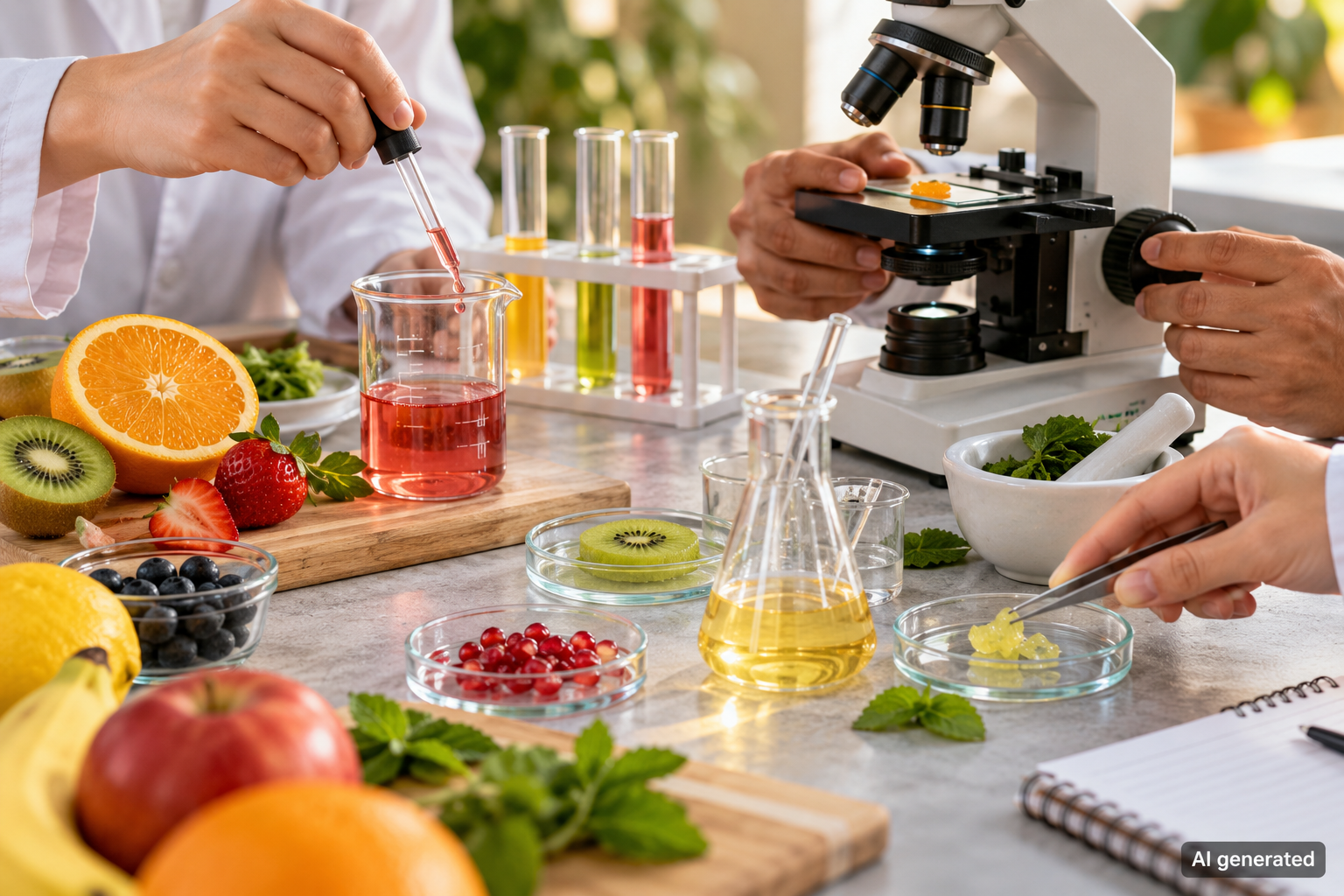
France’s 36th Fête de la Science begins on Friday, 2 October, with a programme built around food and the theme Saveurs savantes. The Ministry of Higher Education and Research says the mainland edition runs until 12 October and offers more than 6,000 events. Participation is free, although some sessions require advance registration.
The theme stretches beyond cooking demonstrations. The official festival programme frames food through chemistry, biology, health, agriculture, archaeology and environmental change. That breadth matters: the event is an invitation to examine how knowledge is produced, not a national restaurant guide or a claim that every activity concerns the same scientific question.
Universities turn the theme into experiments
At Sorbonne University, school groups are scheduled from 6 to 9 October, followed by public sessions on 10 and 11 October. The university advertises more than 80 activities involving about 380 scientists. Its examples include food chemistry, neuroscience, archaeology and the circulation of ingredients and culinary practices.
Regional participation changes the format. CERN’s local programme in the Pays de Gex offers a scientific trail with workshops and demonstrations. Participating institutions describe their own events, so their pages are useful for practical details but are not independent reviews of the festival’s quality.
Check the local listing before travelling
The official listings cover mainland France, overseas territories and some international venues. A national count does not mean every town has the same offer or that an advertised workshop still has capacity. Visitors should filter by date and location, then check the host institution for booking, age and accessibility conditions.
For families, the most useful distinction is between open-access activities and limited workshops. For adults, talks and laboratory visits can provide more depth than the playful title suggests. The programme can also help readers separate evidence about nutrition, food systems or taste from marketing language, but no individual session substitutes for medical advice.
This article is a programme guide published on the opening day. It does not review events that have not yet taken place. The value of the edition will depend on local delivery, available places and the clarity with which researchers explain uncertainty. Its scale gives readers many entry points, while the food theme offers a familiar route into questions that extend far beyond the plate.
Sources & context
Reporting and reference material used for this article. Context sources do not independently confirm every news claim.
- Ministry of Higher Education and Research ↗Primary organiser information: national dates, free access, edition number and event count.
- Fête de la Science ↗Official thematic overview from the same organising ecosystem, not independent corroboration.
- Sorbonne University ↗Participating institution: dated school and public programme, activity count and examples.
- CERN ↗Participating institution: regional programme in the Pays de Gex; promotional, not an independent review.
Written for WHIF from the linked material. This article does not claim on-the-ground reporting. Our editorial standards.