A heat-shaped Champagne harvest gets an exceptional blending rule
France has approved a narrow exception to Champagne's 13 percent ceiling after an unusually hot, early 2026 harvest. It is a production safeguard, not a blanket change to every bottle.
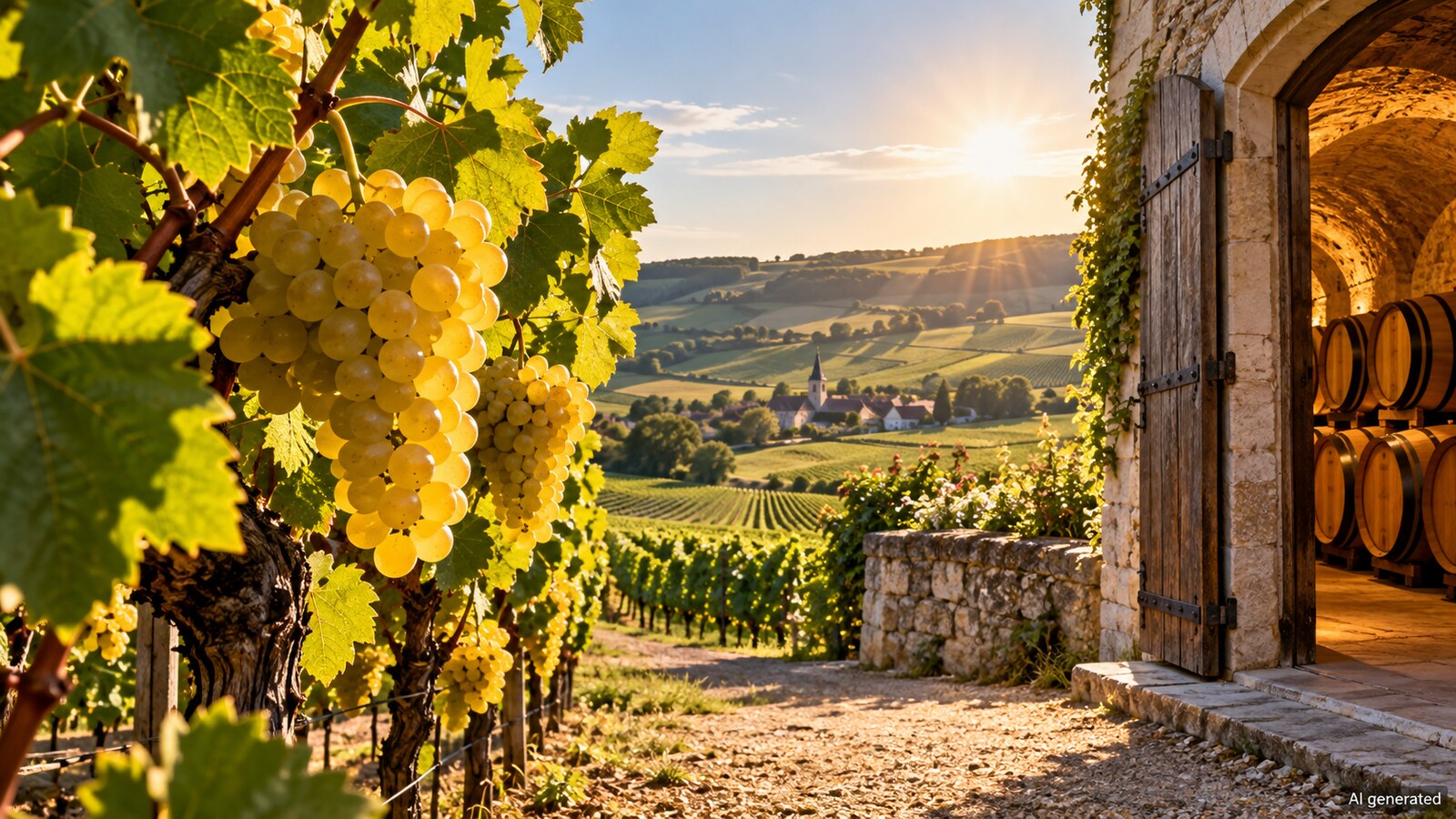
A French ministerial order has created an exceptional rule for Champagne made with grapes from the 2026 harvest. Certain wines drawn in 2027 may exceed the usual total alcoholic strength ceiling of 13 percent after the second fermentation, reflecting grapes that reached unusually high potential alcohol during a summer marked by repeated heat and severe drought.
The exception is technical and limited. It applies to blends that combine un-enriched wines from the 2026 harvest with enriched wines from earlier years. Producers must record the volume, alcoholic strength and any enrichment for each component in their cellar records. The order does not set a new permanent ceiling for all Champagne.
Why heat creates a technical problem
The official text links the decision directly to the climate conditions of summer 2026. High heat accelerates sugar accumulation in grapes, and fermentation converts that sugar into alcohol. In sparkling wine, a second fermentation adds further alcohol, which can create a compliance problem even when producers did not enrich the unusually ripe 2026 base wine.
The Comité Champagne described the vintage as the earliest on record, with the first picking beginning on 6 August and the formal harvest opening on 12 August. It reported five heatwaves, spring frost and healthy, ripe fruit. As the trade body for growers and houses, it has a direct view of the harvest but also represents the sector's interests.
A narrow exception, not a new norm
AFP reporting carried by Boursorama said the derogation was first secured through the appellation authority and would concern only a limited number of growers, according to the growers' union leadership. The report also noted that some resulting wines could reach 15 percent. That is a possible upper outcome for affected producers, not a forecast for the typical bottle sold to consumers.
The change illustrates a broader climate adaptation problem for tightly specified appellations. Rules protect a shared style and origin, yet fixed production parameters can become harder to meet when harvest dates and grape chemistry shift. A temporary exemption preserves compliance for an exceptional year without silently rewriting the appellation's normal standard.
What drinkers will actually see
Consumers should not assume that all 2026-vintage Champagne will be stronger or that bottles will appear immediately. The order concerns wine drawn in 2027, and Champagne production involves maturation before release. The useful evidence will be how many operators use the exception, the final alcoholic strengths and whether similarly hot harvests make a one-off rule recur.
Sources & context
Reporting and reference material used for this article. Context sources do not independently confirm every news claim.
- French ministerial order on the 2026 Champagne harvest ↗Primary legal source: eligibility, record-keeping and exceptional basis, published 28 October 2026.
- Comité Champagne: 2026 harvest assessment ↗Primary industry context: harvest timing, heat episodes and grape condition, published 9 September 2026; treated as a sector position.
- Boursorama with AFP: exceptional alcohol rule ↗Independent reporting: scope, appellation background and estimated number of affected growers, published 28 October 2026.
- Météo-France: climate assessment of summer 2026 ↗Official climate context: record heat, rainfall deficit and prolonged heatwaves, published 3 September 2026; not used as evidence for the legal rule.
Written for WHIF from the linked material. This article does not claim on-the-ground reporting. Our editorial standards.